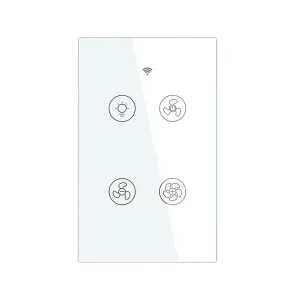
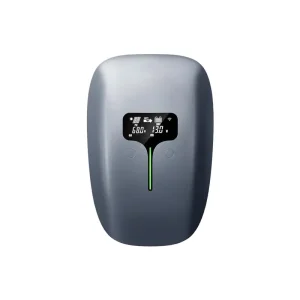
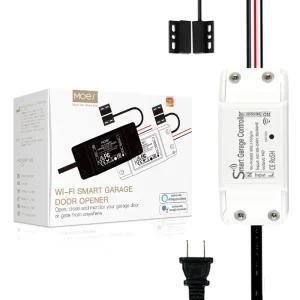
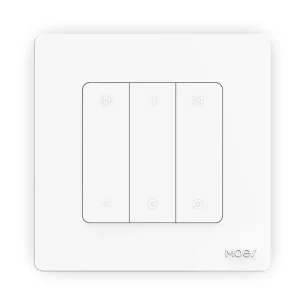
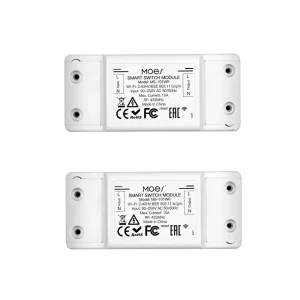
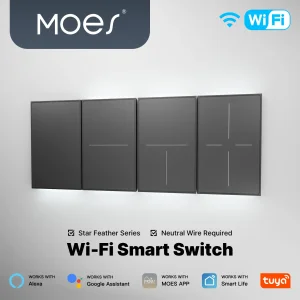
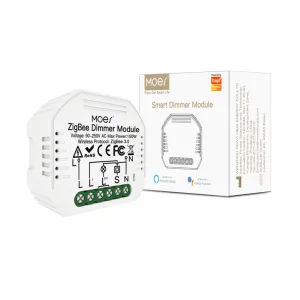
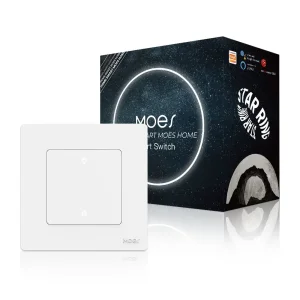
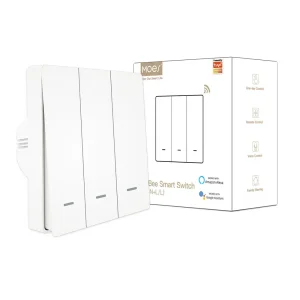
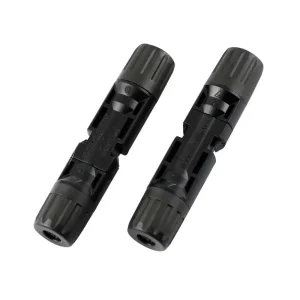
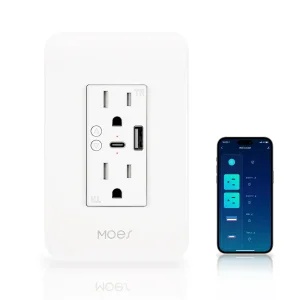
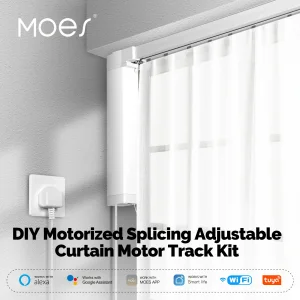
Explore our leading smart power devices manufactured to comply with strict international regulatory frameworks.
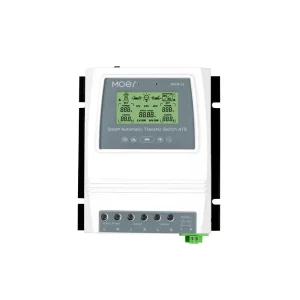
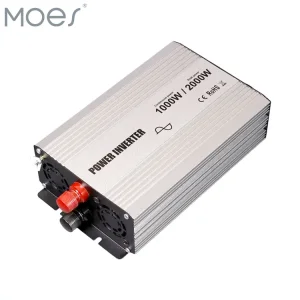
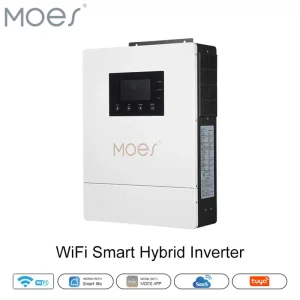
Exploring global commercial dynamics, technological transitions, and the supply chain architecture driving renewable microgrids.
In the transition toward distributed renewable energy systems, the 10kW inverter has emerged as the definitive global benchmark for both advanced residential applications and light commercial-industrial (C&I) environments. This capacity class acts as the operational bridge between typical micro-generation grids and large-scale utilities. A 10kW system is uniquely capable of managing dynamic loads, integrating modular battery systems, and ensuring phase balancing without incurring the prohibitive installation expenses of heavy commercial infrastructure.
As global markets enforce more complex grid-interactive regulations, selecting an inverter partner requires looking beyond simple conversion efficiency. Project engineers, utility contractors, and commercial developers now demand high-frequency smart hybrid units with embedded artificial intelligence of things (AIoT) capabilities. Modern systems must offer robust thermal dissipation, dual or triple Maximum Power Point Tracking (MPPT), and reliable automatic transfer capabilities to ensure operational continuity under fluctuating grid conditions.
Mapping the future of power electronics: from Wide Bandgap Semiconductors to grid-forming systems.
The transition from silicon insulated-gate bipolar transistors (IGBTs) to Silicon Carbide (SiC) and Gallium Nitride (GaN) devices is revolutionizing 10kW power architectures. SiC components enable significantly higher switching frequencies, which reduces thermal generation and allows for smaller magnetics, resulting in lighter chassis designs with efficiencies exceeding 98.5%.
Modern hybrid 10kW inverters are shifting away from low-voltage (48V) architectures toward high-voltage (150V–600V) DC battery links. This evolution reduces current levels across the battery interface, lowering system transmission losses, simplifying balance-of-system (BOS) cabling, and significantly improving round-trip system efficiency.
Inverters are transitioning from simple power converters into intelligent grid-edge computing nodes. Embedded WiFi, Bluetooth, and ZigBee protocols enable real-time coordination with smart home loads and industrial energy management systems, allowing for predictive maintenance and dynamic demand-response capabilities.
Understanding the strict criteria and technical benchmarks demanded by international EPCs and distributors.
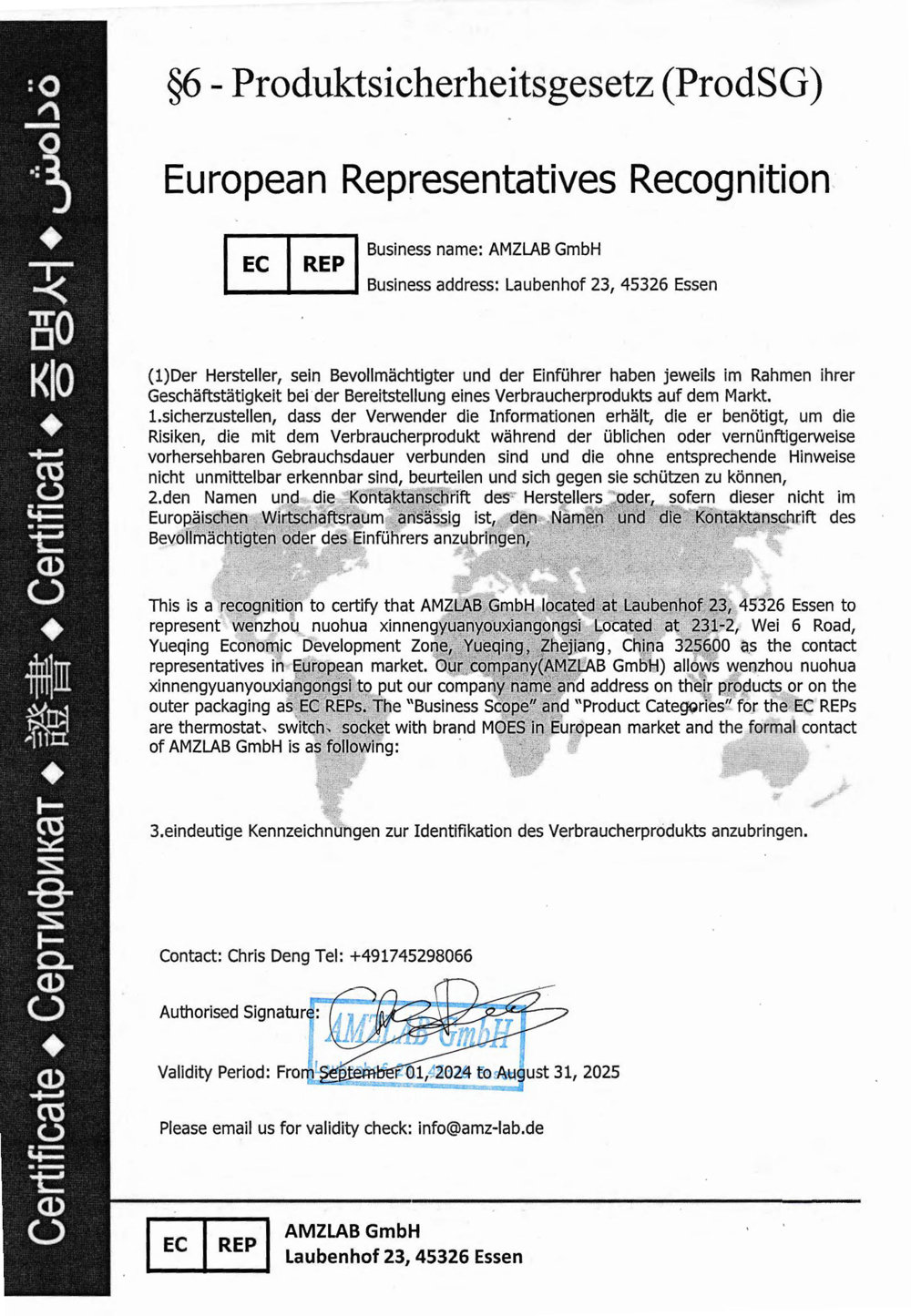
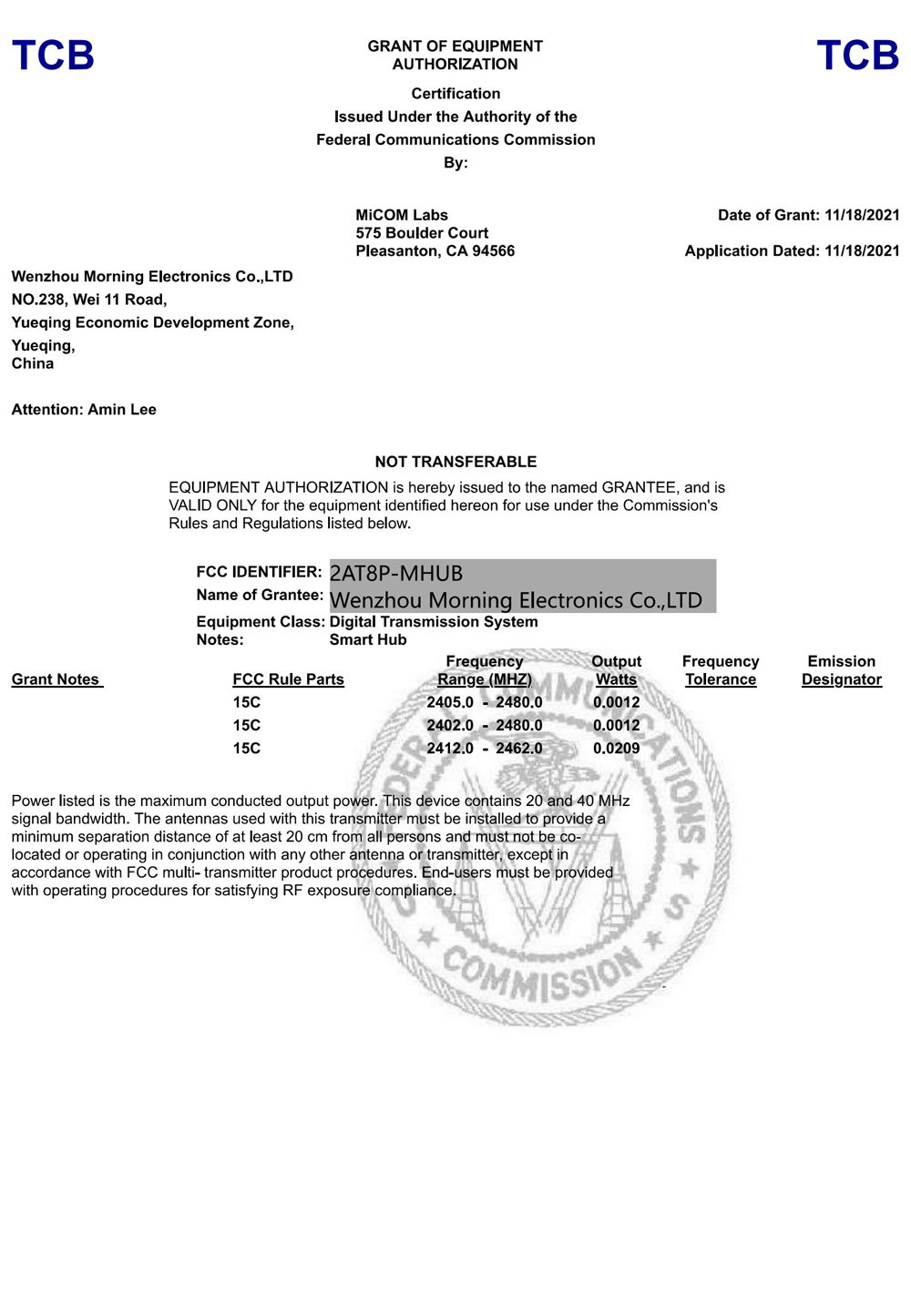
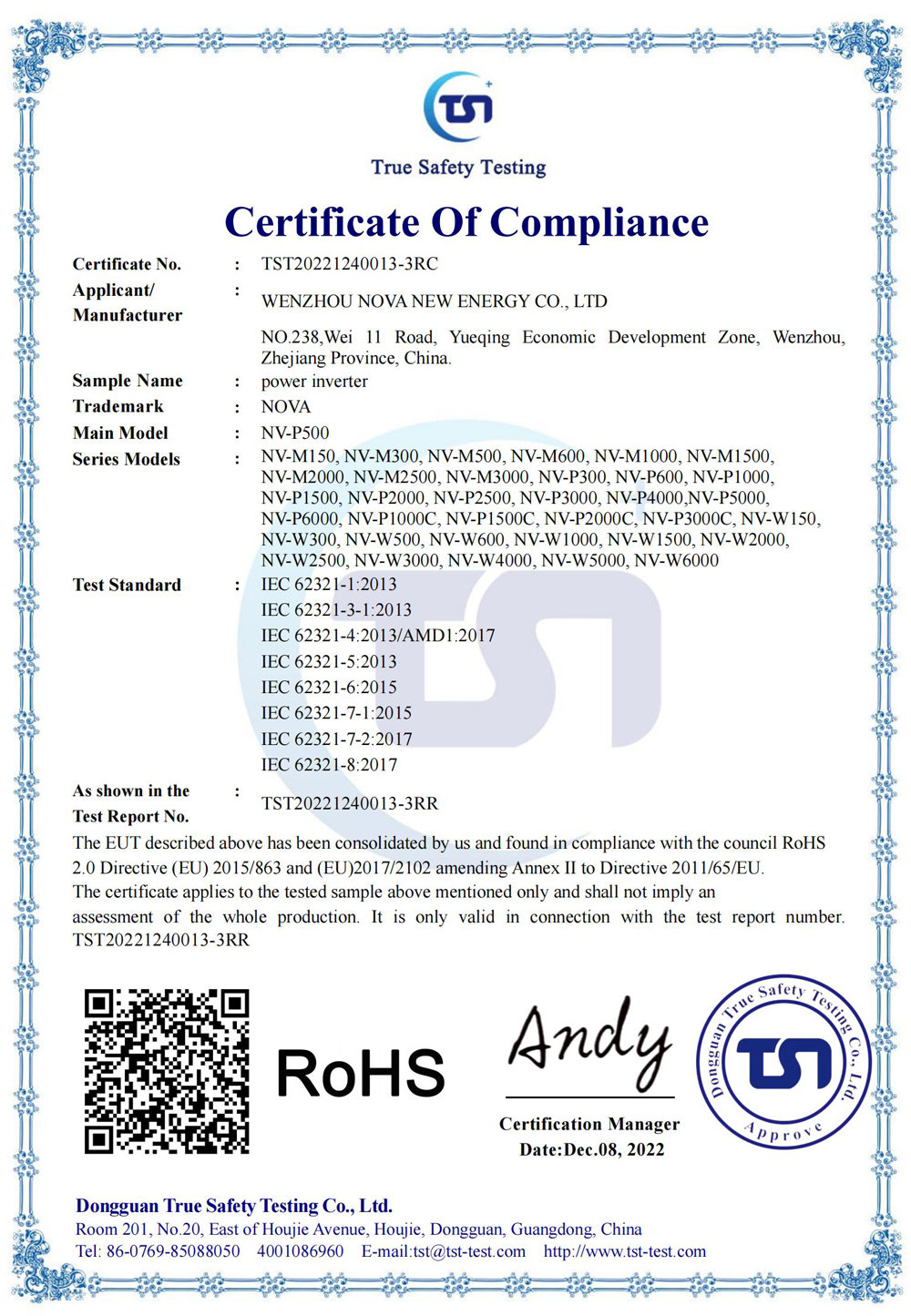
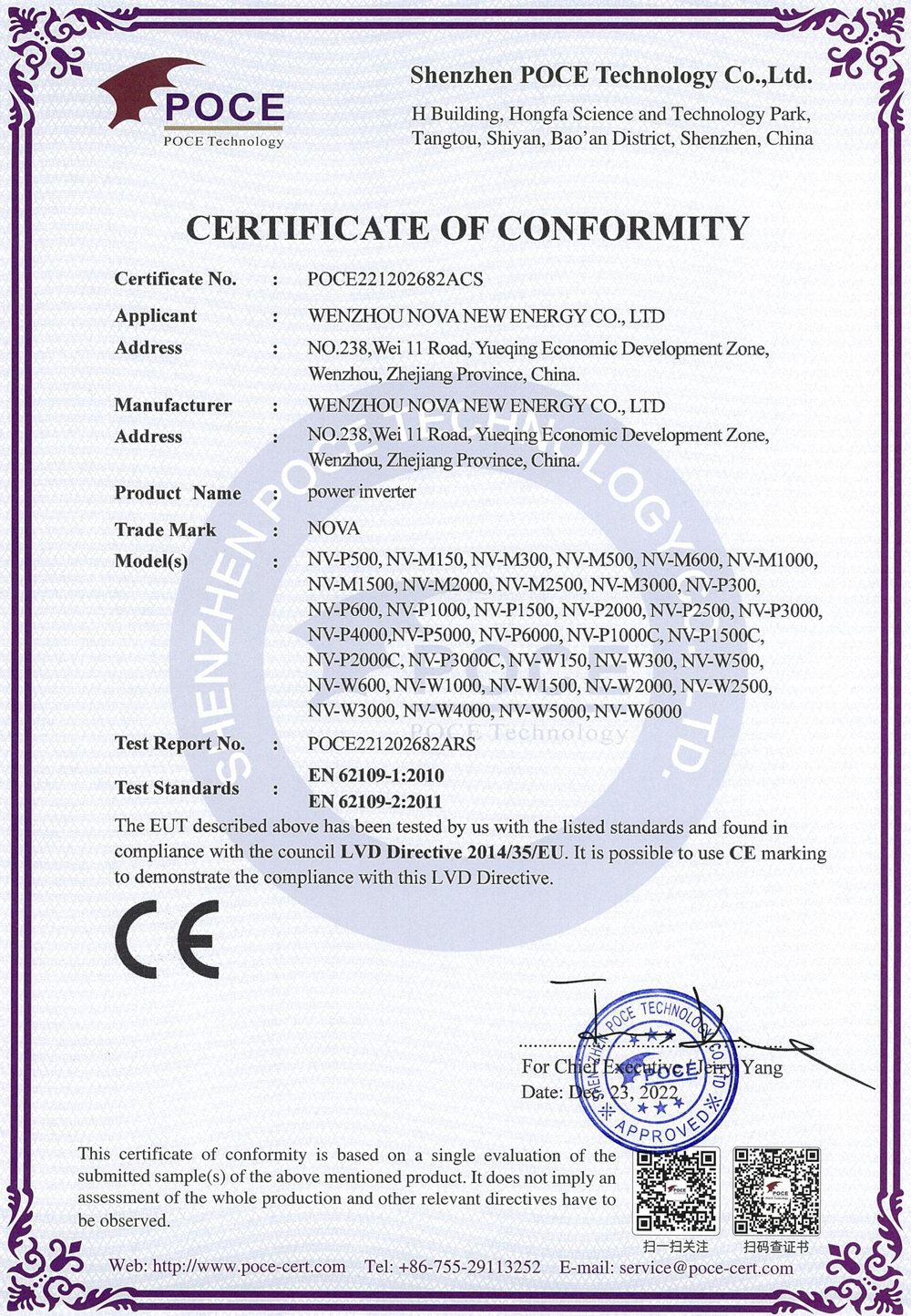
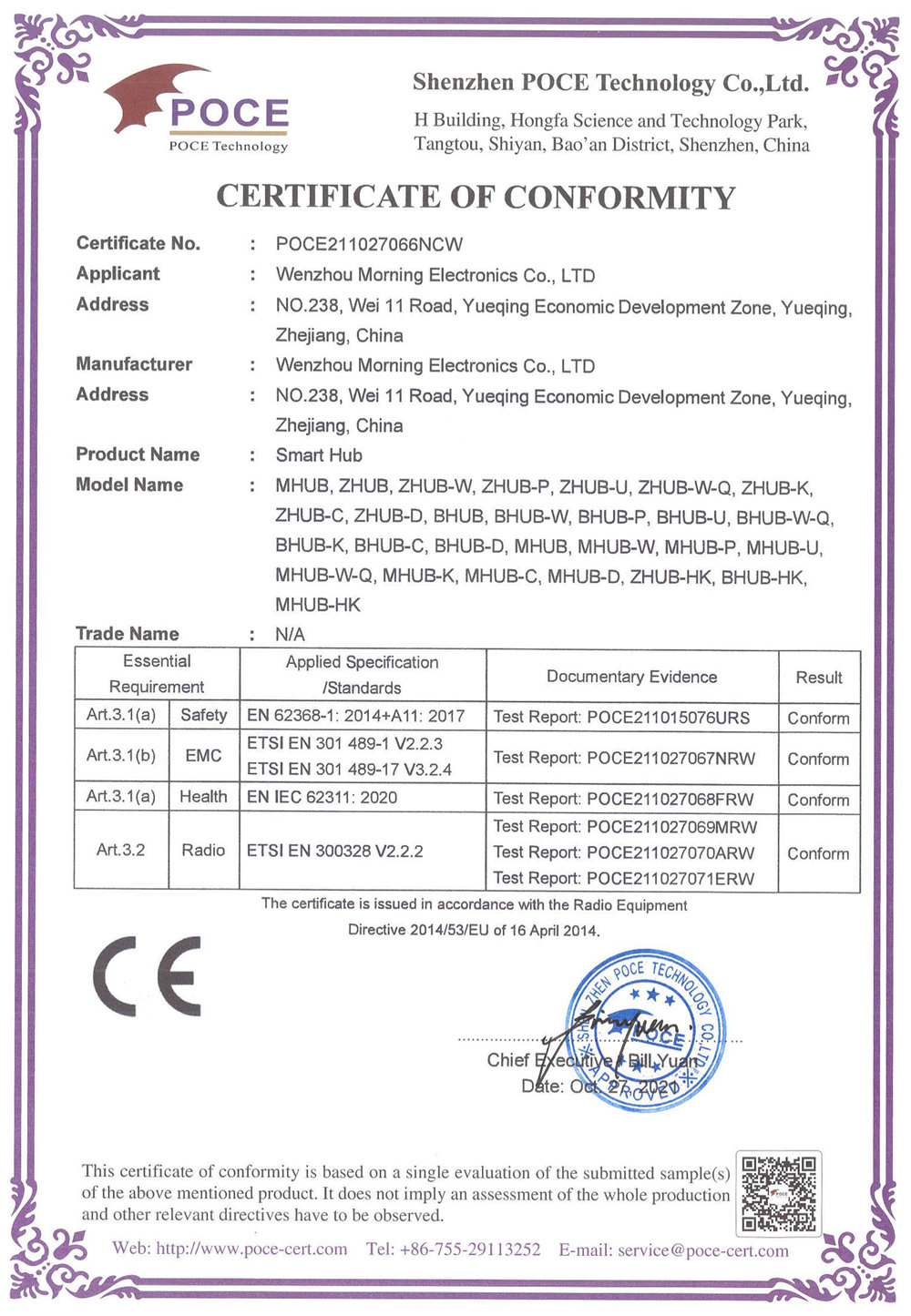
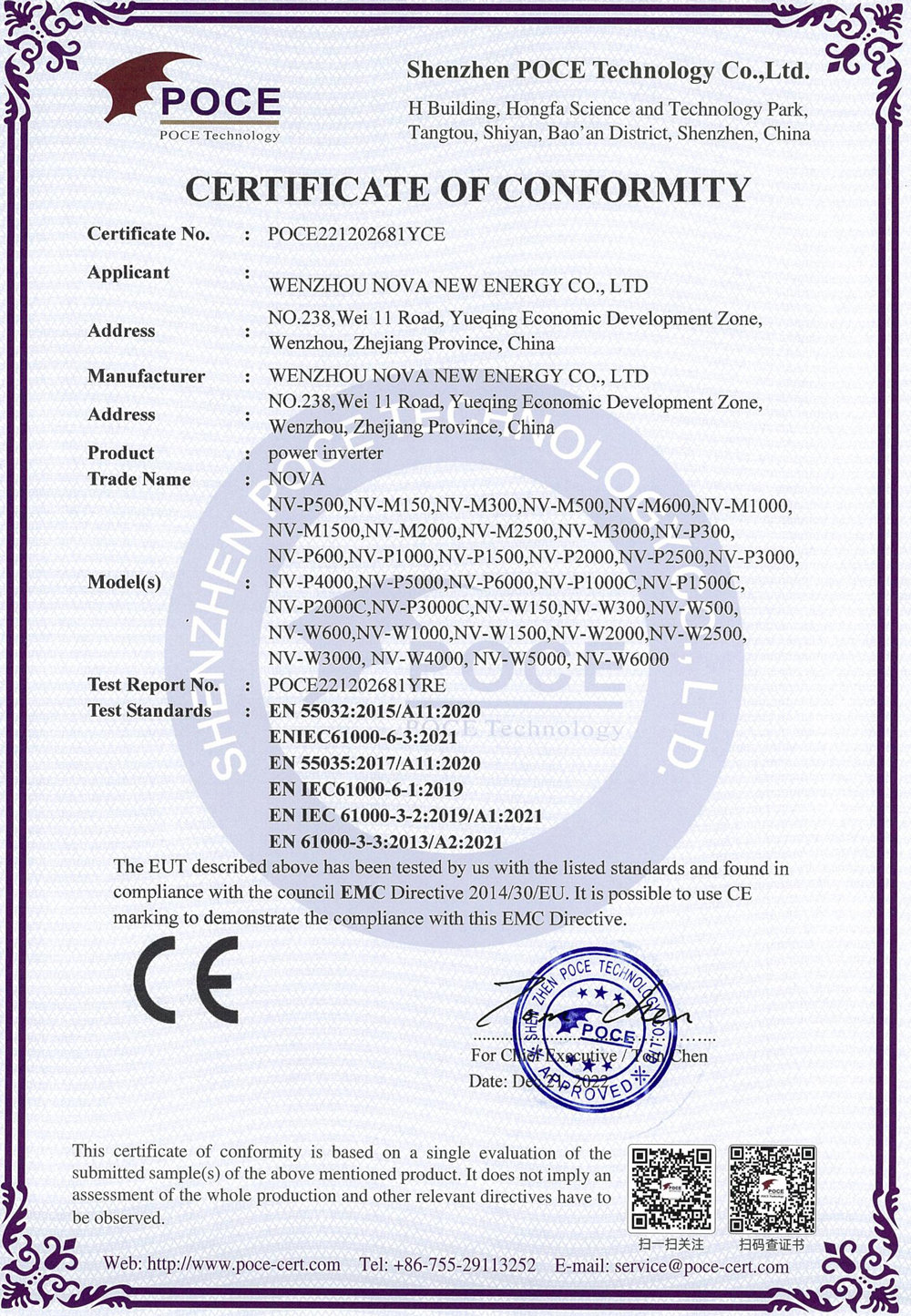
Industrial solar installations require compliance with diverse regional grid codes. B2B buyers prioritize manufacturers that hold certifications such as CE, RoHS, FCC, TUV, ETL, and UL. These certifications verify that the hardware can withstand grid anomalies, prevent islanding incidents, and maintain electrical isolation under surge conditions.
Additionally, modern safety features like integrated Arc Fault Circuit Interrupters (AFCI), rapid shutdown capability, and Type II surge protection devices (SPDs) on both the DC and AC side are standard requirements in European and North American building codes.
The selection of a 10kW inverter directly impacts the Levelized Cost of Energy (LCOE) for residential and commercial sites. Procurement teams evaluate the Total Cost of Ownership (TCO), focusing on warranty terms, mean time between failures (MTBF), and localized diagnostic capabilities.
By utilizing dual-MPPT architectures and wide voltage ranges (typically 120V–1000V DC input), system engineers can maximize solar energy harvesting even under partial shading conditions, ensuring faster return on investment (ROI).
How Wenzhou's industrial cluster and advanced automation drive cost efficiency and quality assurance.
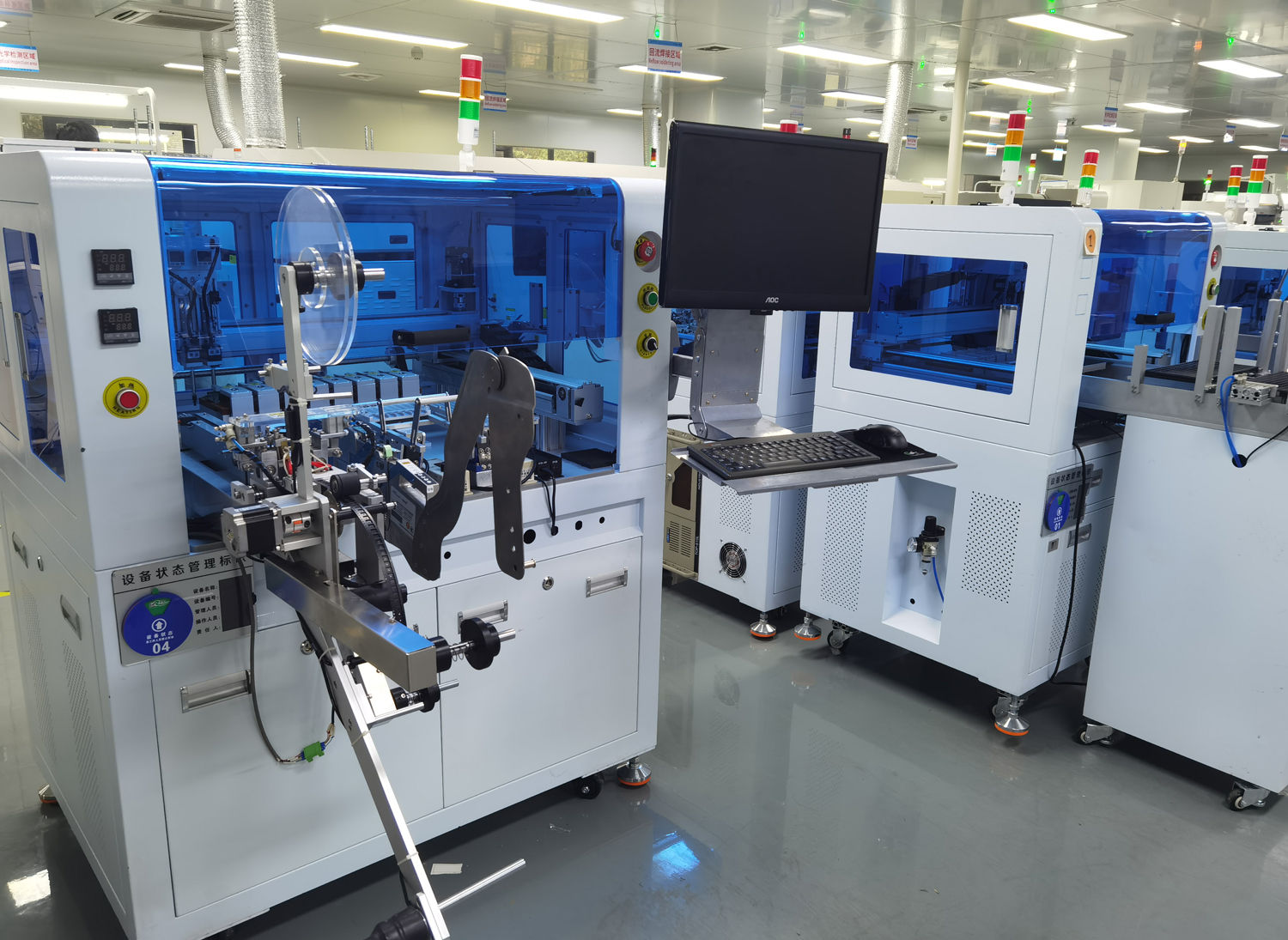
Wenzhou is recognized as a global hub for power electronics, electrical controls, and low-voltage protection equipment. Wenzhou NOVA New Energy Co., Ltd. capitalizes on this localized expertise to maintain a highly resilient and integrated supply chain.
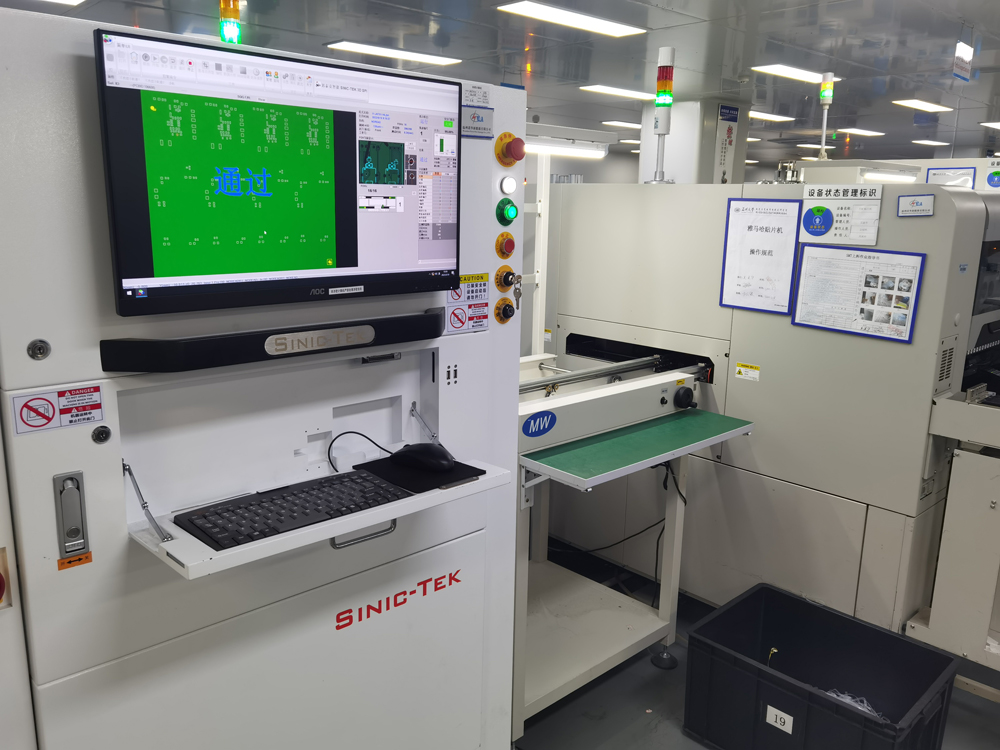
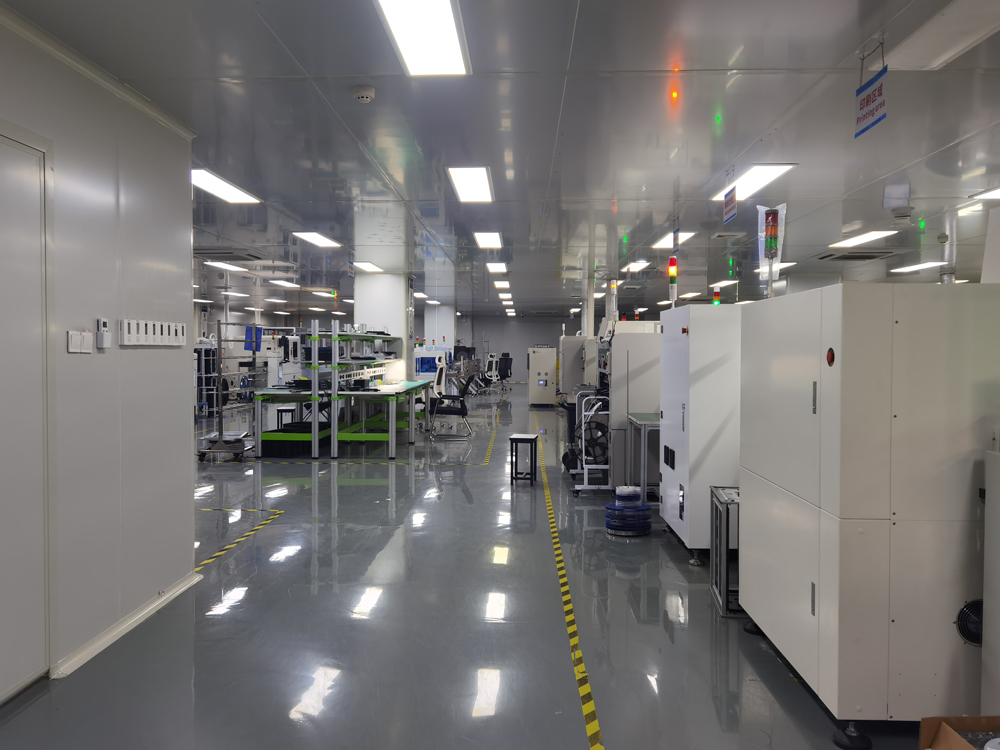
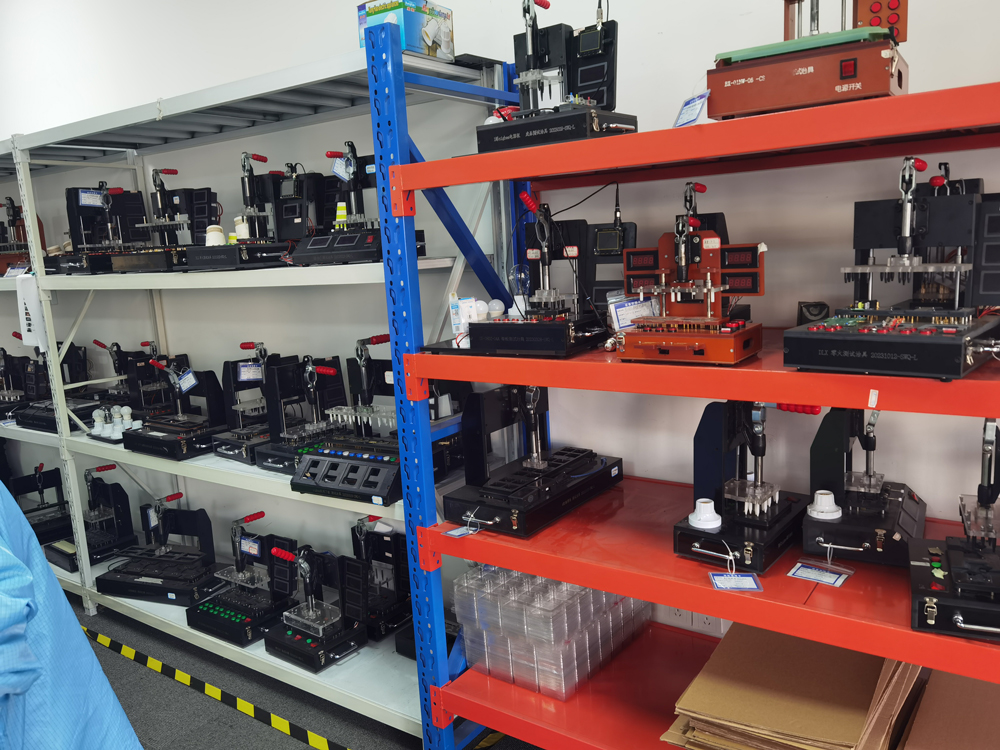
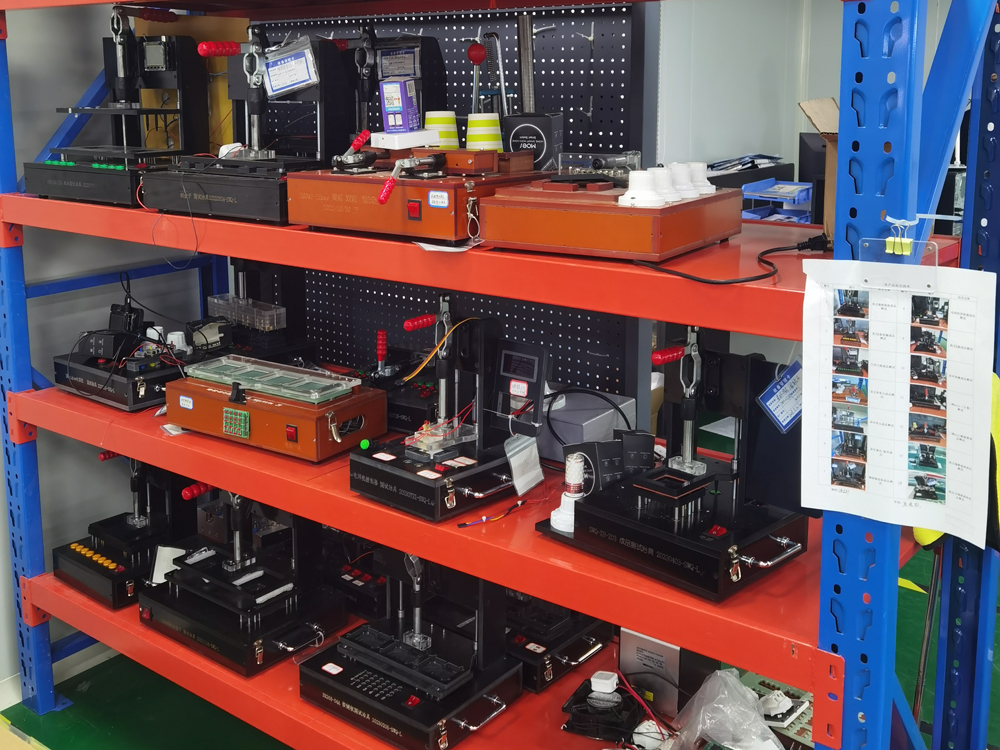
Our 120,000 square meter intelligent manufacturing facility integrates PCB assembly, SMT line operations, CNC chassis fabrication, and fully automated environmental testing under one roof. This minimizes transport dependencies, reduces lead times, and allows for strict quality control at every stage of production.
By standardizing processes in accordance with ISO 9001 quality management guidelines, our production line achieves high precision, minimizing manufacturing tolerances and ensuring consistent system reliability.
Versatile deployment of 10kW systems across commercial, agricultural, and residential microgrids.
Ideal for commercial offices requiring peak-shaving capabilities and backup power. The integrated high-speed Automatic Transfer Switch (ATS) switches load paths in under 10 milliseconds, preventing data loss in server rooms and operational disruptions.
Deployed in remote agricultural sites, powering critical water pumps and cold storage refrigeration. Its IP65-rated enclosure protects sensitive internal electronics against dust, moisture, and high ambient temperatures.
Supports modern homes equipped with EV chargers, HVAC systems, and pool pumps. Integrates with Tuya Smart Home IoT systems via Zigbee/WiFi, allowing homeowners to schedule charging cycles when utility rates are lowest.
Explore Wenzhou NOVA's production floor, standardized testing systems, and global exhibition highlights.
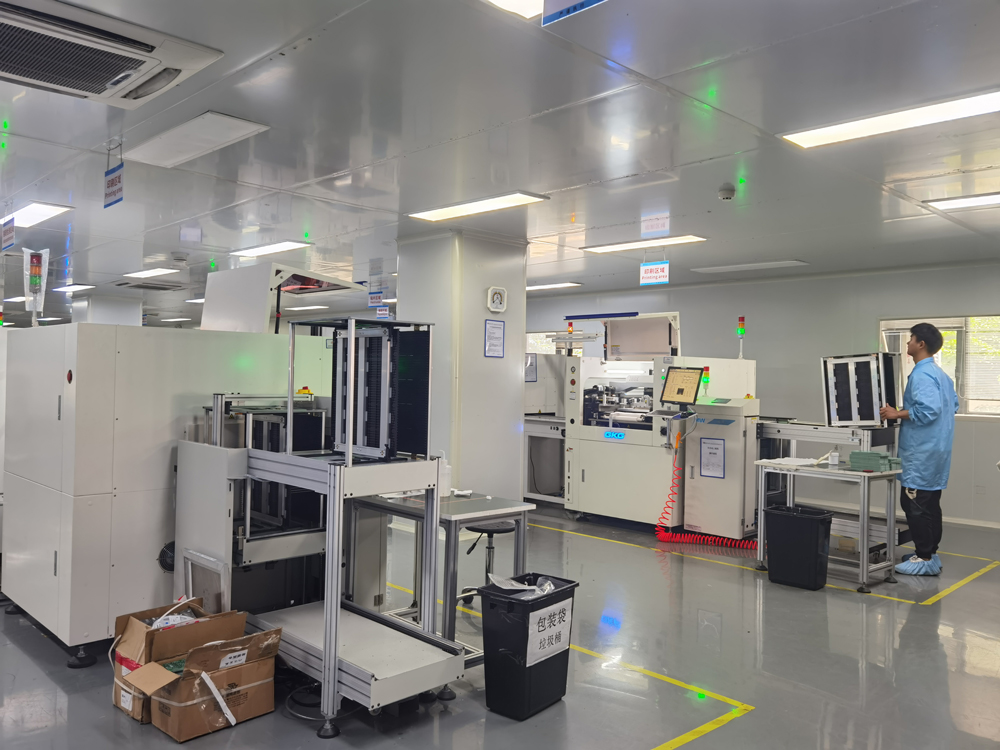
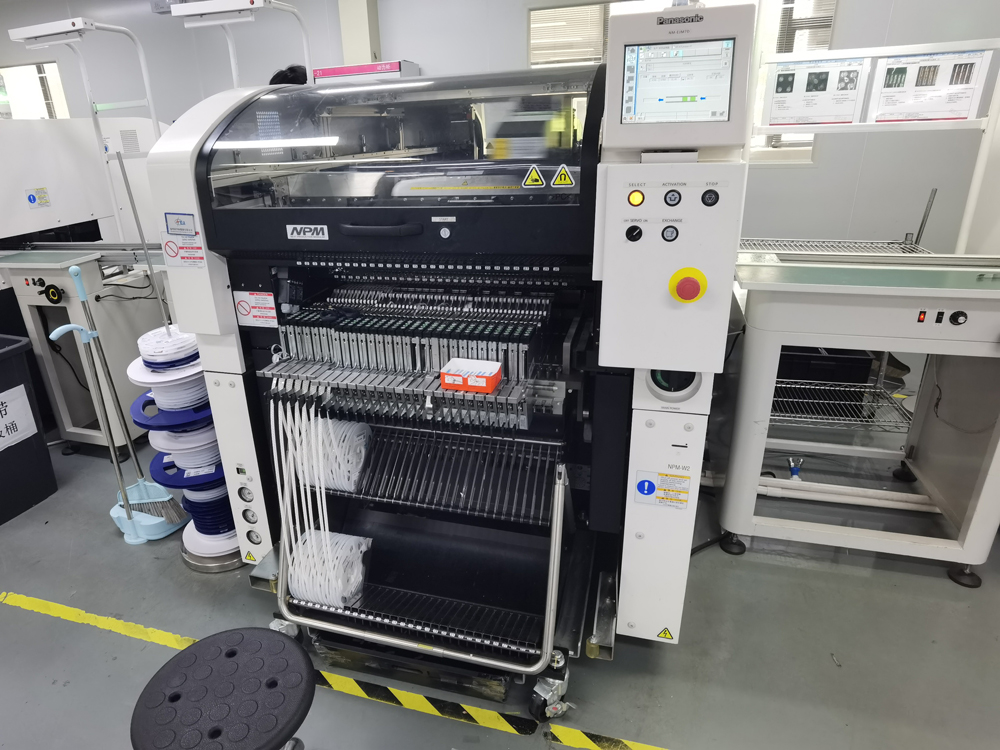
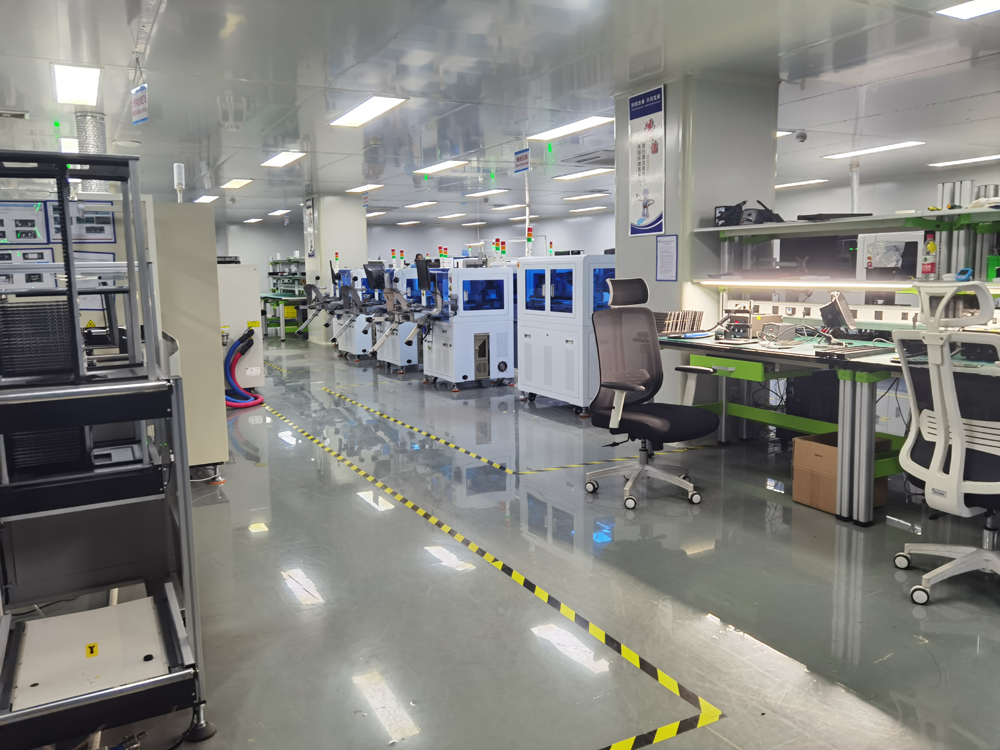
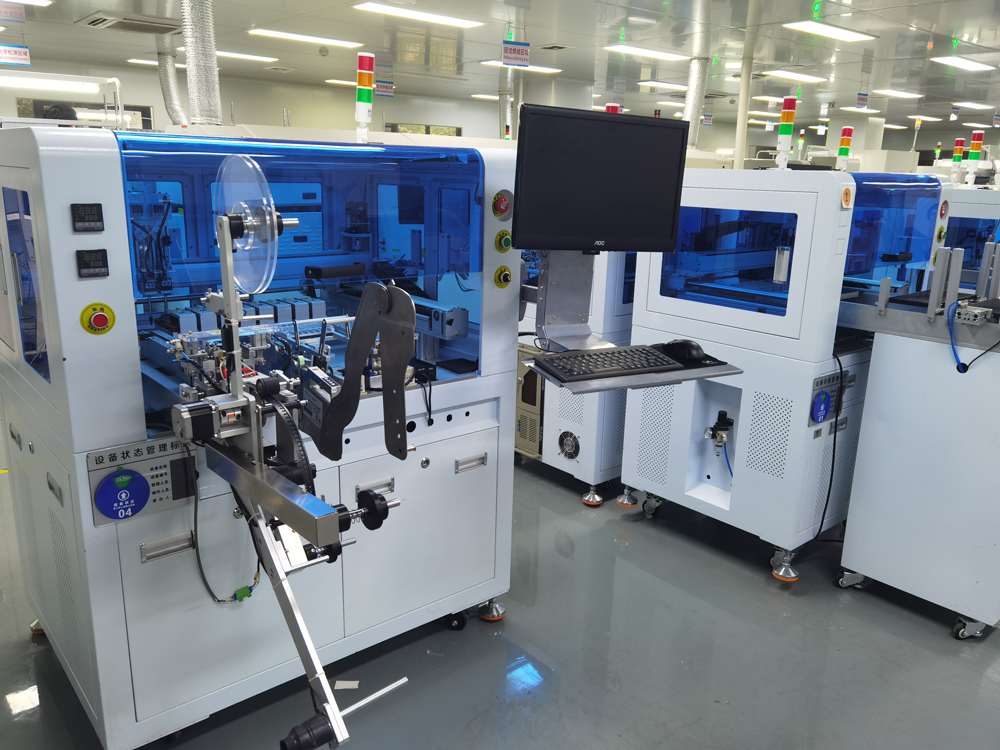
Our products comply with international electrical standards, ensuring safe grid integration worldwide.
Addressing the core technical, regulatory, and commercial inquiries of B2B procurement partners.
Connect with Wenzhou NOVA's application engineers for technical specifications, custom OEM configurations, and volume pricing.
Explore our integrated portfolio of smart controls, relays, chargers, and high-durability connectivity hardware.
 NOVA New Energy