For global procurement managers, identifying the "Best Korean Power Plug Manufacturer" in China is not merely about finding a vendor—it is about securing a partner who understands the technical nuances of the KSC 8305 standard. South Korea’s electrical infrastructure requires specific plug dimensions, grounding configurations, and safety tolerances that differ significantly from global counterparts.
Chinese factories have evolved from simple commodity suppliers to sophisticated engineering hubs. Leading manufacturers now leverage AI-driven quality control and automated production lines to meet the stringent requirements of the Korean market, including KC certification and local safety compliance, ensuring seamless interoperability within Korean residential and industrial grids.
The concentration of specialized power plug and component manufacturing in Chinese clusters (like Wenzhou) provides a unique competitive edge:
Wenzhou NOVA New Energy Co., Ltd., established in 2008, serves as a prime example of industry transformation. Based in Wenzhou, the hub of private enterprise, NOVA has evolved into a national high-tech enterprise.
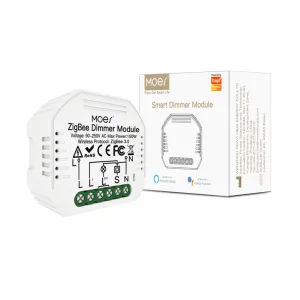
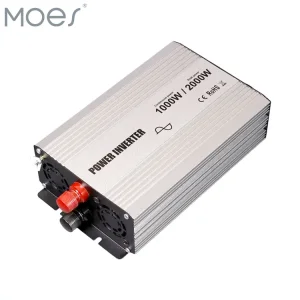
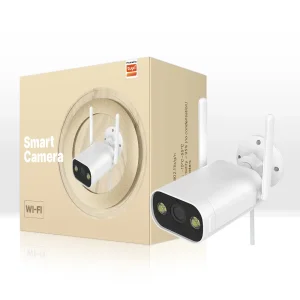
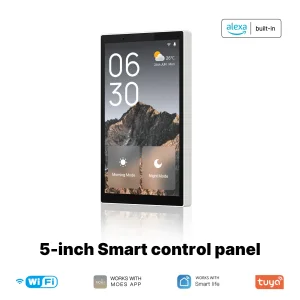
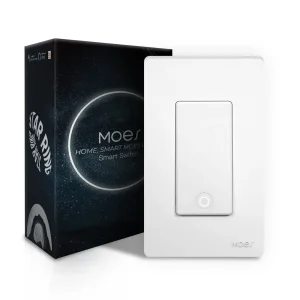
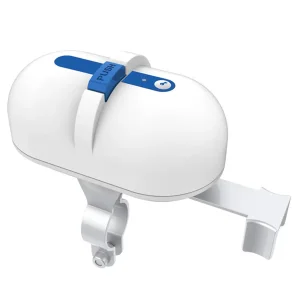
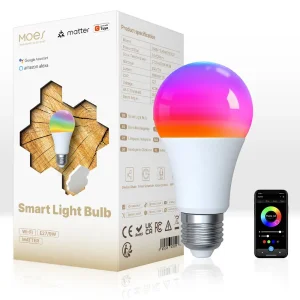
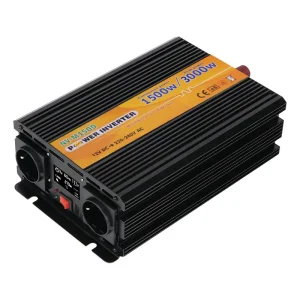
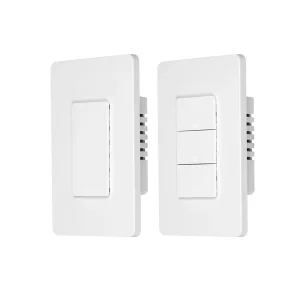
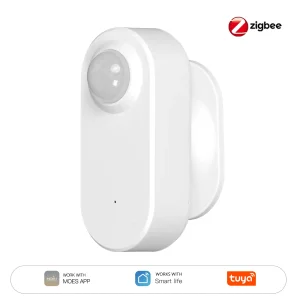
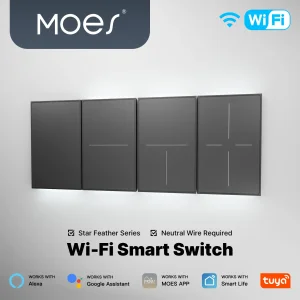
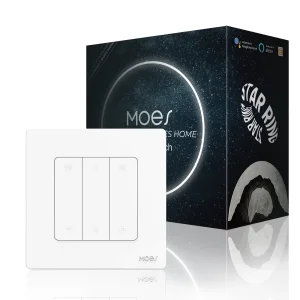
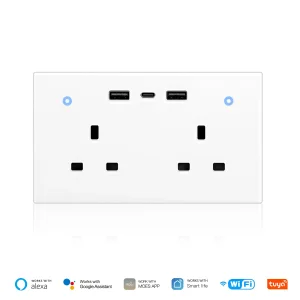
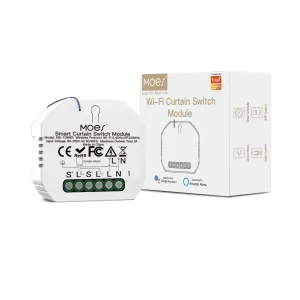
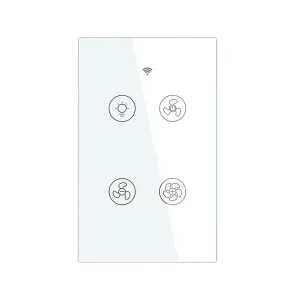
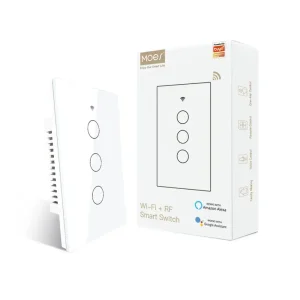
Spanning 120,000 square meters, our facility integrates R&D, design, and intelligent manufacturing. We bridge the gap between Solar New Energy and Smart Home IoT, providing products that include smart inverters, solar controllers, and advanced smart home switches (Matter/Zigbee/Wifi).
With 15 years of innovation, we have secured 50+ national patents and hold certifications including CE, ROHS, FCC, TUV, ETL, UL, and BSCI.
The future of power plugs isn't just about conduction; it's about *intelligence*. The industry is shifting toward:
It must meet the KSC 8305 standard, featuring specific pin diameters, voltage/amperage tolerances, and, crucially, the correct grounding mechanisms suitable for Korean wall outlets.
Leading factories utilize ISO9001 management systems, automated SMT lines, and multiple QC checkpoints (raw material inspection, in-process, and pre-shipment).
Yes, leading manufacturers now offer modular design options, allowing for brand-specific customizations (logo, packaging) even for smaller production runs.
By leveraging established logistics routes from Chinese ports to Incheon/Busan, transit times are optimized, typically ranging from 3-7 days for shipping once production is complete.
 NOVA New Energy