Smart Light Switch Tips for Energy Savings and Easy Use?

Time:2026-05-05 Author:Isabella
0%

In today's energy-conscious world, Smart Light Switch technology is becoming increasingly popular. These devices not only offer convenience but also maximize energy savings. Installing a Smart Light Switch can help users reduce electricity consumption significantly. However, many people struggle to use them effectively.

Understanding the features of Smart Light Switches is crucial. They often include timers, dimming options, and remote access capabilities. This versatility allows users to tailor their lighting to their specific needs. Yet, some users may not fully utilize these features, leading to missed opportunities for savings.

Moreover, it's essential to consider the installation process. While many models are user-friendly, some may require professional help for optimal functionality. Selecting the right model is daunting, as not every switch fits every home. By exploring practical tips, users can harness the full potential of Smart Light Switches, making their homes more efficient and easier to manage.
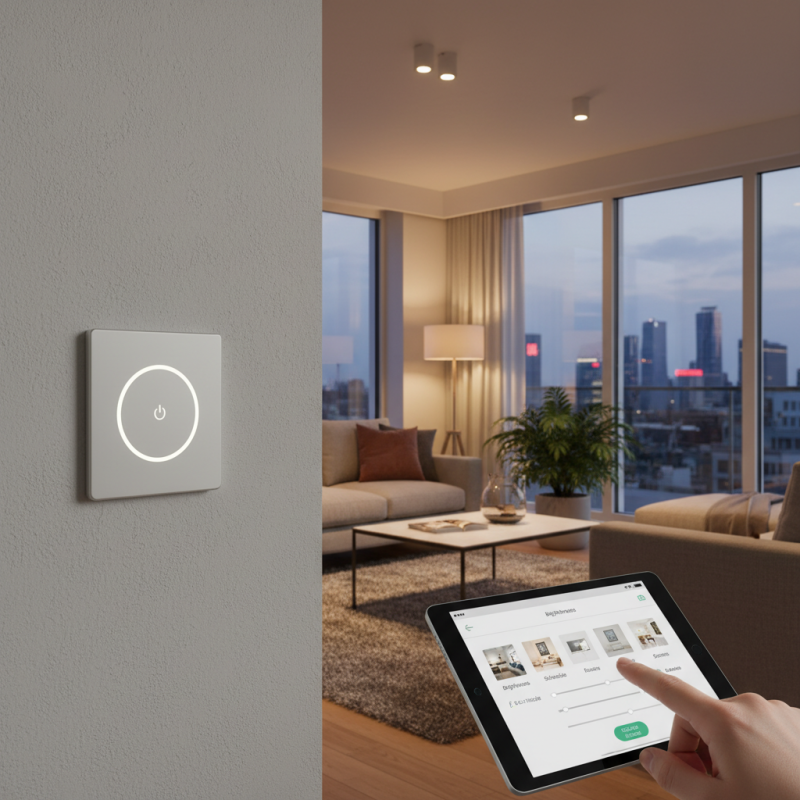
Smart Light Switch Tips for Energy Savings and Easy Use?

Benefits of Smart Light Switches for Energy Efficiency

Smart light switches offer numerous benefits for energy efficiency. These devices can significantly reduce electricity consumption by enabling you to control your lighting remotely. With smart switches, you can set timers and schedules to ensure lights turn off automatically. This feature helps prevent wasted energy when you leave a room.

An added advantage is the ability to use your smartphone to manage lights. Imagine being able to dim your lights while relaxing on the couch without getting up. However, some users might find setting up these switches challenging. The initial installation can require some technical skills. It’s crucial to understand your home's wiring to avoid complications. Don't be discouraged; many resources can assist in these situations.

People often overlook how smart light switches improve overall energy management. By tracking your usage patterns, these switches can identify which areas consume the most energy. This insight allows you to make informed decisions about your lighting habits. However, not every user may take the time to analyze this data. Some may prefer to stick with traditional methods, missing out on long-term savings and efficiency.

How Smart Light Switches Simplify Home Automation

Smart light switches are transforming home automation. They offer convenience at the tip of your fingers. With just a touch or voice command, you can control your lighting. This easy control means saving energy and simplifying daily routines. Imagine arriving home to a well-lit space without lifting a finger.

One notable feature is the scheduling option. You can set lights to turn on or off at specific times. This not only enhances security but also helps you save energy. Yet, many users struggle with the initial setup. Sometimes, syncing with existing devices can be tricky. It's important to follow instructions closely to ensure seamless integration.

Another overlooked aspect is compatibility. Not all smart switches work with every type of bulb or fixture. Ensuring your devices match is crucial. Users often face disappointment when their chosen switch doesn’t deliver the promised functionality. Reflection on these hiccups will guide better choices. This journey into smart lighting can be enlightening, despite the occasional obstacles.

Key Features to Look for in Smart Light Switches

When looking for smart light switches, consider features that enhance energy savings and usability. Energy monitoring is essential. It tracks how much energy your lights consume. You can identify patterns and reduce waste. Look for compatibility with energy-efficient bulbs as well. This can greatly impact your electricity bill.

User-friendly interfaces are vital. A simple mobile app can make control straightforward. Features like voice activation increase convenience. Intuitive designs ensure easy installation. Some switches even allow customization of lighting schedules. This can optimize energy use based on your daily routines.

Think about security features, too. Many smart switches prioritize user safety. They include mechanisms to prevent electrical surges. However, not all devices are created equally. Researching reviews helps gauge reliability. It’s important to remember that technology can fail. Regular updates and maintenance are crucial for lasting performance.

Tips for Installing Smart Light Switches Successfully

Installing smart light switches can be a rewarding experience, but it requires careful planning. Before you start, turn off the power to the circuit. Use a multimeter to confirm there is no electricity flowing. This step is crucial for your safety. If you're unsure, consult a professional electrician.

Choose a location that is easily accessible. This makes daily use simple and convenient. Taking your time during the installation will pay off in the long run. Align the switch properly in the electrical box to avoid any loose fittings. It's easy to overlook this step, but a well-fitted switch enhances its longevity and performance.

Don’t forget to read the instructions thoroughly. Even if you've installed switches before, each model may vary. Improper wiring can lead to malfunctions. Once installed, test the switch multiple times. Ensure it connects properly with your smart home system. Remember that troubleshooting is part of the process. If something goes wrong, reflect on your steps. Identifying mistakes can lead to better installations in the future.

Energy-Saving Settings and Usage Strategies for Smart Switches

Smart light switches have become essential for modern homes aiming for energy efficiency. According to the International Energy Agency, smart lighting can reduce energy consumption by up to 30%. These systems allow users to manage lighting remotely and set schedules, dramatically cutting down unnecessary usage.

To maximize energy savings, consider using the occupancy detection feature. It ensures lights turn off when rooms are empty. A study from the National Renewable Energy Laboratory found that homes using this feature saved an average of 15% on lighting energy bills. Additionally, dimming options can extend bulb life, reducing replacement frequency and waste. Set preferred brightness levels to enhance mood while being efficient.

Another strategy is integrating these switches with smart home systems. This allows for automated adjustments based on natural light levels. For instance, sunlight can reduce the need for artificial lighting. Incorporating voice control can also prevent forgetfulness in turning off lights, directly influencing energy conservation. Reflect on your lighting habits and identify patterns where reductions are possible. Addressing these can lead to meaningful energy savings over time.

Smart Light Switch Tips for Energy Savings and Easy Use

Tip Description Energy Savings Potential Ease of Use
Set Schedules Automatically turn lights on and off at specified times. High Easy
Use Motion Sensors Lights turn on when motion is detected and off after a set time. Moderate Medium
Adjust Brightness Dim lights for different activities to reduce energy usage. Moderate Easy
Group Control Control multiple switches at once for convenience and efficiency. High Very Easy
Remote Access Control your lights from anywhere using a smartphone app. Moderate Medium

FAQS

: What features should I look for in a smart light switch?

: Energy monitoring, user-friendly interfaces, voice activation, and security features are important considerations.

How can energy monitoring help me?

It tracks energy consumption, helping you identify patterns and reduce waste in your lighting usage.

What installation tips should I follow for smart light switches?

Turn off power first, read instructions carefully, and ensure a proper fit in the electrical box.

Why is location important when installing smart switches?

A convenient location enhances daily use and accessibility, making it easier to control lighting.

How can occupancy detection benefit my energy usage?

It turns off lights automatically when rooms are empty, potentially saving around 15% on lighting bills.

What's the role of dimming options in smart switches?

Dimming can extend bulb life and reduce waste, allowing you to set preferred brightness levels efficiently.

How does integrating smart switches with home systems help?

It allows for automated adjustments based on natural light, reducing reliance on artificial lighting.

What should I do if my smart switch doesn’t work after installation?

Reflect on your installation steps, as troubleshooting can help identify and rectify any mistakes made.

Why is regular maintenance important for smart switches?

Technology can fail, and regular updates ensure lasting performance and reliability of your devices.

Is installing smart switches complicated?

It can be rewarding but may require time, attention, and sometimes professional consultation for safety.

Conclusion

Smart light switches are increasingly popular for their energy efficiency and convenience in home automation. They allow users to control their lighting remotely, schedule lighting based on personal routines, and integrate with other smart home devices, making it easier to manage energy consumption. Key features to consider when purchasing a smart light switch include compatibility with existing systems, user-friendly interfaces, and energy-saving settings.

Successfully installing smart light switches involves understanding the wiring process and ensuring proper connectivity. Users can enhance energy savings by utilizing features such as dimming capabilities and setting timers. By following these tips and taking advantage of the advanced functionalities of smart light switches, homeowners can significantly reduce their energy bills while enjoying a seamless smart home experience.


Isabella

Isabella

Isabella is a dedicated marketing professional with a sharp focus on driving brand growth and engagement through strategic content creation. With an extensive background in digital marketing, she combines her passion for storytelling with her keen understanding of industry trends to deliver......