Why Power Inverter is Essential for Your Energy Needs?

Time:2026-08-30 Author:Oliver
0%

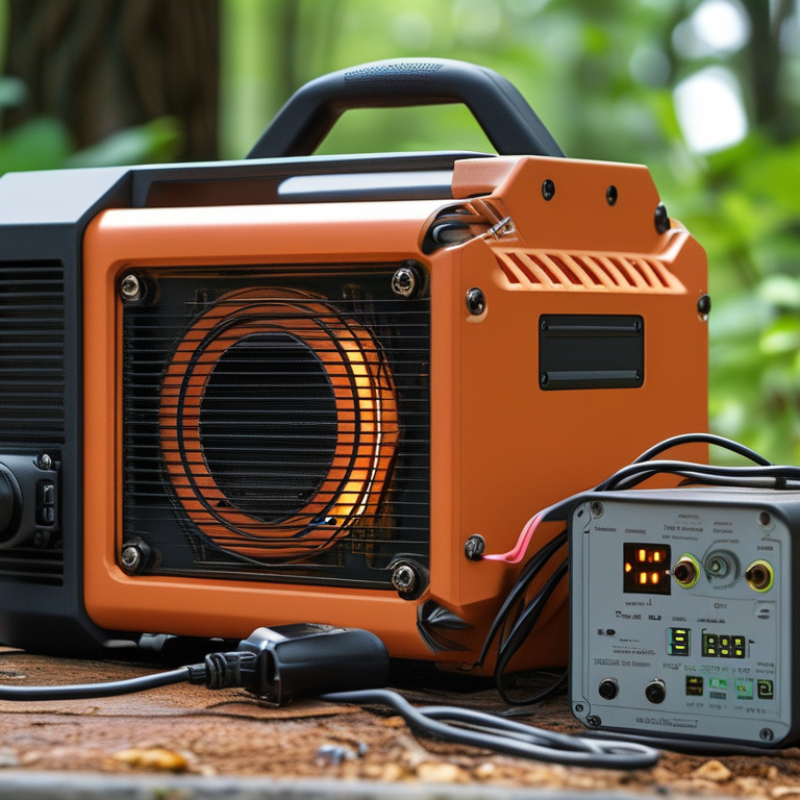
In today’s world, having a reliable source of energy is crucial for both homes and businesses. One often overlooked solution is the power inverter. A power inverter converts direct current (DC) from batteries into alternating current (AC), suitable for everyday appliances. This transformation enables the use of various devices, from cell phones to power tools, making it an essential element in energy needs.

Power inverters come in different sizes and capabilities. They can provide energy during power outages or when off-grid. Imagine camping in remote areas or managing energy during a blackout. Having a power inverter makes this possible, allowing you to charge devices and run small appliances without hassle. However, understanding the limitations is vital. An inverter must match the power requirements of your devices to function correctly.

While power inverters offer remarkable convenience, they require careful selection and installation. Not every inverter suits every application. Finding the right specifications is necessary to avoid disappointments. Ultimately, investing in a power inverter enhances energy reliability and provides flexibility in various situations, making it a worthwhile investment for anyone seeking energy solutions.
Why Power Inverter is Essential for Your Energy Needs?

Understanding the Functionality of Power Inverters in Energy Systems

Power inverters play a crucial role in modern energy systems. They convert direct current (DC) into alternating current (AC). This transformation is vital for devices that require AC power. Many homes and businesses rely on inverters for solar energy systems. Without them, harnessing solar power would be impractical.

Understanding how power inverters work is essential. They ensure that the electricity generated from renewable sources is usable. This conversion is not just about functionality; it also ensures efficiency. Sometimes, inverters fail to perform optimally due to improper installations or poor-quality components. Regular maintenance and monitoring can help mitigate these issues.

Inverter technology continues to evolve. New advancements aim to improve efficiency and reduce costs. However, challenges remain. Not all inverters are equal in performance. Some may lack certain features, impacting long-term energy savings. Users must do their homework before selecting an inverter. Being informed leads to better energy choices and sustainable practices.

Key Benefits of Using Power Inverters for Efficient Energy Conversion

Power inverters play a crucial role in modern energy solutions. They convert direct current (DC) from sources like batteries into alternating current (AC), which is used by most household appliances. This process is essential for anyone relying on renewable energy, like solar panels. Without a power inverter, the energy generated cannot be used effectively.

One major benefit of power inverters is their efficiency. High-quality inverters minimize energy loss during conversion. This means more usable power for your devices. They also enhance the lifespan of your appliances by providing stable voltage. Inconsistent power sources can damage electronics over time, making inverters a smart investment.

On the other hand, there are challenges. Not all inverters are created equal. Some may not handle high loads or specific appliances well. It's important to choose an inverter that fits your needs. Proper installation and maintenance also play key roles in performance. Good knowledge of your energy requirements is essential for making the right choice.

Types of Power Inverters: Choosing the Right One for Your Needs

When selecting a power inverter, understanding the types available is crucial. Inverters primarily fall into two categories: pure sine wave and modified sine wave. Pure sine wave inverters provide clean, stable power suitable for sensitive electronics. According to industry reports, these inverters are about 20% more efficient compared to their modified counterparts. They can help prolong the lifespan of devices, making them ideal for home use.

Modified sine wave inverters cost less and are simpler in design. However, they may not be compatible with all appliances. Using them with sensitive devices can lead to performance issues. Recent data indicates that approximately 30% of consumers face challenges due to equipment malfunctions caused by using the wrong inverter type. Understanding this aspect is key for effective energy management.

Selecting the right inverter isn't just about cost. Consider the total wattage you’ll need to power your devices. It's also wise to evaluate your energy source. If you're relying on solar, match your inverter with the system output. Quality matters, but don't overlook the warranty. A reliable warranty can offer peace of mind.

Applications of Power Inverters in Residential and Commercial Use

Power inverters play a crucial role in both residential and commercial settings. They convert DC power from batteries or solar panels into AC power, making it usable for everyday appliances. In homes, these devices ensure that essential electronics remain functional during power outages. They also support renewable energy systems, allowing homeowners to harness solar energy efficiently.

Commercially, power inverters enable businesses to maintain productivity even in the face of power interruptions. Many industries rely on a constant power supply for operations. For instance, restaurants and medical facilities depend on uninterrupted electricity for safety and service. Power inverters not only provide backup power but can also optimize energy use, cutting costs for businesses in the long run.

When choosing a power inverter, consider your specific energy needs. Assess the wattage of devices you plan to power. It’s important to have a little extra capacity. This can help avoid overloads and extend the lifespan of your inverter. Regular maintenance checks are wise. They ensure efficiency and reliability. Be mindful of where you place the inverter as well. Ensuring proper ventilation can prevent overheating, which is crucial for maintaining performance.

Factors to Consider When Selecting a Power Inverter for Your Setup

When choosing a power inverter, several critical factors come into play. The inverter's wattage is paramount. A unit must handle the peak and continuous loads of your devices. For instance, a 2000-watt inverter typically supports a continuous load of around 1600 watts. This is essential for avoiding overloads that can damage your equipment.

Input voltage is another crucial aspect. Most common inverters operate on 12V systems. However, depending on your needs, 24V or 48V systems might be more suitable. These options could provide better efficiency for larger setups. According to the U.S. Department of Energy, the appropriate inverter type can enhance energy conversion efficiency by 10% to 15%.

The inverter's type—modified sine wave versus pure sine wave—also deserves attention. Pure sine wave inverters mimic grid power. They ensure compatibility with sensitive electronics. In contrast, modified sine wave models are cheaper but might cause issues with certain devices. Data from renewable energy studies indicate that the right inverter type can prolong the lifespan of your electronics. Reflect on your device compatibility before making a choice. This consideration is vital for optimizing your energy setup.

Why Power Inverter is Essential for Your Energy Needs? - Factors to Consider When Selecting a Power Inverter for Your Setup

Factor Description Value Options
Power Output The maximum power the inverter can provide. 300W, 600W, 1000W, 2000W
Input Voltage The voltage of the battery system. 12V, 24V, 48V
Output Waveform Type of electrical signal produced by inverter. Modified Sine Wave, Pure Sine Wave
Efficiency Ratio of output power to input power. 80%, 90%, 95%
Safety Features Protection mechanisms such as overload, short circuit, and overheat protection. Yes, No
Form Factor Physical size and design of the inverter. Compact, Standard, Rack-Mount
Cooling Method How the inverter dissipates heat during operation. Fan-Cooled, Passive Cooling

FAQS

: What is the main function of a power inverter?

: A power inverter converts direct current (DC) from batteries into alternating current (AC) for household use.

How does a power inverter improve energy efficiency?

High-quality inverters reduce energy loss during conversion, providing more usable power for devices.

Do power inverters extend appliance lifespan?

Yes, they provide stable voltage, protecting electronics from damage caused by inconsistent power sources.

What should I consider when choosing a power inverter?

Assess your energy needs and the wattage of devices to ensure the inverter fits your requirements.

Are all power inverters suitable for every application?

No, some inverters may struggle with high loads or specific appliances. Choose wisely based on your needs.

How important is maintenance for power inverters?

Regular maintenance is crucial for efficiency and reliability, ensuring the inverter operates well over time.

Can I use power inverters during power outages?

Yes, they keep essential electronics functional during outages, providing backup power when needed.

Why is proper placement important for an inverter?

Good ventilation prevents overheating, which can negatively impact performance and lifespan.

Can businesses benefit from using power inverters?

Yes, they help maintain productivity during power interruptions and can optimize energy use, lowering costs.

What happens if I choose an inverter with insufficient capacity?

An inadequate inverter may overload easily, risking damage and reducing its lifespan. Choose with care.

Conclusion

Power Inverter plays a crucial role in modern energy systems by converting direct current (DC) into alternating current (AC), making it essential for various applications. Understanding the functionality of power inverters helps users appreciate their efficiency in energy conversion, leading to significant energy savings.

When selecting the right power inverter, it's important to consider the different types available, each tailored for specific needs, whether for residential or commercial use. The benefits of using power inverters extend beyond mere energy conversion; they also enhance the reliability and versatility of power systems. By carefully evaluating factors such as power requirements and installation conditions, users can choose an ideal power inverter that meets their energy needs effectively.

Oliver

Oliver

Oliver is a seasoned marketing professional with a wealth of expertise in driving brand awareness and engagement. With a deep understanding of our company's product offerings, he consistently delivers high-quality content that enriches our professional blog. His insights not only shed light on......