How to Choose the Right 24V Inverter for Your Needs?

Time:2026-05-22 Author:Sophia
0%

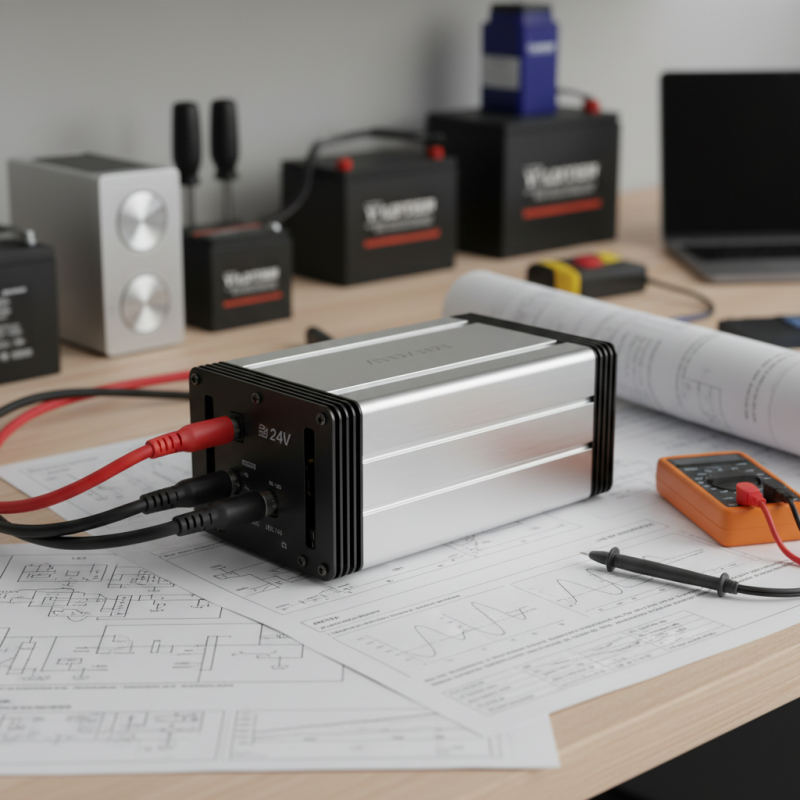
Choosing the right 24V inverter can be crucial for your power needs. With various models available, it’s essential to understand your requirements. A 24V inverter converts DC power into AC power, suitable for appliances and equipment.

It’s easy to overlook specifications. Factors such as wattage, efficiency, and features are vital. Make sure to consider the total power demand of your devices. A mismatch can lead to underperformance or damage.

Research reputable brands. They often provide better warranties and support. Reading user reviews offers insights into reliability. However, just because a product is popular doesn’t mean it’s the best fit for you. Reflect on your specific usage before making a decision.
How to Choose the Right 24V Inverter for Your Needs?

Understanding the Different Types of 24V Inverters Available in the Market

When selecting a 24V inverter, understanding the variations in the market is crucial. Inverters can be broadly categorized into pure sine wave, modified sine wave, and square wave types. Pure sine wave inverters produce clean, high-quality power. This makes them ideal for sensitive electronics. Reports show that devices run more efficiently and reliably on pure sine wave power, yielding better performance in the long run.

Modified sine wave inverters are more affordable but may not work well with all devices. They can create noise and inefficiencies in certain electronics. Data from the National Renewable Energy Laboratory highlights that nearly 30% of users experience issues with modified sine wave inverters. Square wave inverters are the least efficient and are typically used for simple applications like powering light bulbs or tools.

Tip: Always assess your specific power needs before making a decision. Calculate the total wattage of your devices and add a buffer for efficiency. This will help you choose the right inverter size and type.

Another consideration is the inverter's installation process. Some models require professional help, while others are DIY-friendly. Yet, improper installation can lead to failures. Ensure you understand the requirements of your chosen inverter.

Evaluating Power Requirements: How to Calculate Your Energy Needs

When selecting a 24V inverter, understanding your energy needs is crucial. Calculate total wattage required for all devices. List the appliances you intend to power. Consider their running and starting watts. Running watts are what you need for continuous use. Starting watts can be significantly higher for some appliances.


Tips: Assess your daily use. Identify peak times for appliances. This helps in choosing the right capacity.


Ensure the inverter can handle surge loads well. Don’t overlook the duration you plan to use the devices. It’s wise to select an inverter with a capacity greater than your needs. This accommodates unexpected surges and improves performance.


Power losses can occur. Inverter efficiency ratings impact overall use. Keep the inverter cool for optimal efficiency. Consider installation space and ventilation. An inverter that is too compact may overheat, diminishing performance over time.

Key Features to Look for in a 24V Inverter: Efficiency and Surge Capacity

When selecting a 24V inverter, efficiency is a crucial factor. An inverter's efficiency rating indicates how well it converts DC power to AC power. Higher efficiency means less energy waste. Look for models that boast an efficiency of 90% or higher. This can lead to significant energy savings, especially if the inverter is used frequently. However, balancing efficiency with cost might challenge your decision.

Surge capacity is another vital feature to consider. Inverters commonly experience a surge when powering up devices. A unit with adequate surge capacity can handle sudden power demands without shutting down. Check the surge rating, which should exceed the combined wattage of your appliances. Be cautious; sometimes, models may advertise high surge ratings but fall short in real-world scenarios. Testing the inverter under load can reveal discrepancies between specifications and performance.

Understanding these features can guide you in selecting an inverter that meets your needs. Efficiency and surge capacity are not just figures; they impact actual performance. You might find the perfect inverter, only to realize it can't cope with your application’s demands. Always do your research and consider real-world user experiences.

Comparing Pure Sine Wave vs. Modified Sine Wave Inverters for Your Setup

When selecting a 24V inverter, understanding the differences between pure sine wave and modified sine wave inverters is essential. Pure sine wave inverters produce a smoother, cleaner output. This is crucial for sensitive devices. Reports show that approximately 75% of electronics perform better with a pure sine wave. For instance, medical equipment and advanced audio systems often require this type of inverter. They ensure proper functioning and extend the lifespan of these vital devices.

Modified sine wave inverters, while more affordable, have limitations. They produce a choppier waveform, which can cause issues with some equipment. Devices like LED lights and certain motors may run less efficiently. Research indicates that about 25% of users experience overheating with modified sine wave inverters. This can lead to increased energy costs and potential damage over time. A careful assessment of your devices is needed before making your choice.

The decision also depends on your unique setup. Not all situations require a pure sine wave. If your needs are basic, a modified sine wave might suffice. However, investing in a pure sine wave inverter could save you trouble in the long run. Balancing cost and performance is key to making the right choice for your power needs.

Comparison of Pure Sine Wave vs. Modified Sine Wave Inverters

Assessing Reliability and Warranty Options for Long-term Inverter Performance

When selecting a 24V inverter, evaluating reliability is crucial. Reliable inverters often demonstrate consistent performance under various conditions. Look for models that feature robust construction and high-quality components. A unit that can handle fluctuations in power demand is especially important for long-term usage. Pay attention to user reviews that highlight real-world performance. This feedback can reveal potential issues that may not be apparent at first glance.

Warranty options serve as an indicator of an inverter's reliability. A longer warranty often suggests a manufacturer’s confidence in their product. It’s wise to choose inverters that come with at least a two-year warranty. This coverage can protect your investment and provide peace of mind. Sometimes, the warranty period may reflect the expected lifespan of the product. Ensure you read the warranty terms carefully to understand what is covered.

Consider maintenance and customer support as well. Some manufacturers offer extensive support while others may fall short. Look for available resources like online manuals or instructional videos. A lack of these might indicate potential challenges in the future. Inverter issues can arise unexpectedly, making customer support vital. Opt for models that emphasize ease of troubleshooting and serviceability. This proactive approach can save both time and money down the line.

FAQS

: How do I calculate my energy needs for a 24V inverter?

: List all devices and their wattage. Consider both running and starting watts for accurate calculation.

What is the importance of running and starting watts?

Running watts indicate continuous usage, while starting watts are higher values needed at device startup.

Why should I assess my daily use of appliances?

Understanding daily usage helps identify peak times. This can inform the choice of the right inverter capacity.

What should I look for regarding inverter efficiency?

Choose an inverter with an efficiency rating of 90% or higher to minimize energy waste over time.

How crucial is surge capacity in an inverter?

Surge capacity is vital to handle sudden power demands without shutdowns. Ensure it exceeds your appliance wattage.

What can I expect from modified sine wave inverters?

Modified sine wave inverters are more affordable but may not suit all devices. Some users report efficiency issues.

How can I ensure my inverter operates efficiently?

Keep the inverter cool and consider installation space. Overheating can decrease performance over time.

Why is testing an inverter under load important?

Testing reveals discrepancies between advertised and actual performance. Real-world use matters more than stated specifications.

What devices benefit most from pure sine wave inverters?

Sensitive devices, like medical equipment and advanced audio systems, perform better with pure sine wave inverters.

Are there downsides to modified sine wave inverters?

Yes, they may lead to overheating and increased energy costs for some applications. Assess your needs carefully.

Conclusion

Choosing the right 24V inverter is crucial for optimizing your energy needs, whether for off-grid applications or backup power. Begin by understanding the various types of 24V inverters available, which can cater to diverse requirements and setups. Evaluating your power needs is essential; accurately calculating your energy consumption will help you select an inverter that meets your demands without exceeding capacity.

Key features to consider include efficiency and surge capacity, which determine how well the inverter performs under load conditions. Additionally, comparing pure sine wave and modified sine wave inverters will guide you in selecting the most compatible option for your devices. Lastly, assessing the reliability and warranty options available can ensure long-term performance and peace of mind when investing in your 24V inverter.

Sophia

Sophia

Sophia is a dedicated marketing professional with an exceptional depth of knowledge about her company's products and services. With a keen understanding of market trends and customer needs, she crafts insightful blog posts that not only inform but also engage readers, enriching the company’s online......