Choosing the right Smart Bulb can enhance your home's ambiance and efficiency. Smart bulbs offer more than just light; they bring convenience and customization. They can change colors, adjust brightness, and integrate seamlessly with smart home systems. However, selecting the best option isn't always straightforward.
Consider factors like brightness, color options, and compatibility with existing devices. Some bulbs connect via Wi-Fi, while others use Bluetooth. Understanding your usage needs can guide your decision-making process. A common mistake is overlooking energy efficiency. While all smart bulbs offer savings, some are more efficient than others.
Reflect on personal preferences too. Do you want a soft glow for relaxation or a bright light for tasks? Evaluate both functionality and design. Not every smart bulb fits every fixture. Testing different brands might reveal some unexpected benefits or drawbacks. Embracing the right Smart Bulb can transform your living spaces into well-lit, dynamic environments.
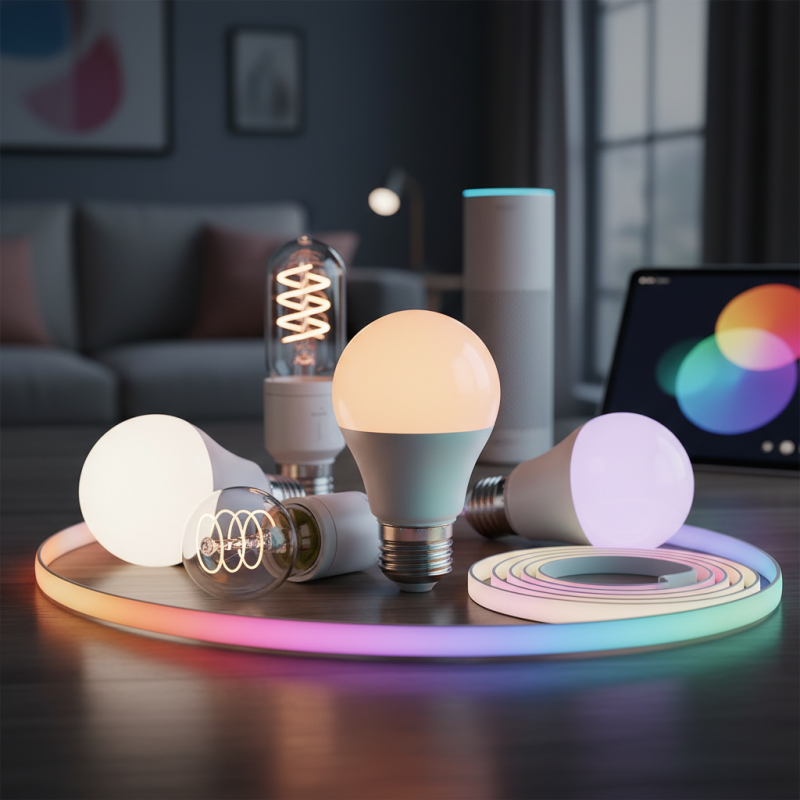
Understanding Smart Bulbs: Key Features and Technology
Smart bulbs have revolutionized home lighting, offering convenience and versatility. Understanding their key features can help you make the right choice. Most smart bulbs work via Wi-Fi or Bluetooth, allowing control through an app or voice assistant. Look for bulbs that offer adjustable brightness and a wide range of colors. These features enhance ambiance and cater to different needs.
Tips for choosing the right smart bulb:
Consider compatibility with your existing smart home system. Not all bulbs work seamlessly with every platform. Reading reviews can provide insights into any potential issues. Ensure the bulb you select can connect to your network without constant interruptions.
Another aspect to examine is energy efficiency. Smart bulbs tend to consume less energy, but not all are created equal. Check the lumen output to ensure you are getting adequate brightness while saving on electric bills.
As you explore options, be aware of the bulb’s lifespan. Some cheaper models may fail sooner than expected. Investing in higher-quality bulbs can save money in the long run.
Smart Bulb Features Comparison
This chart compares key features of smart bulbs including brightness in lumens, color range in Kelvin, energy efficiency in watts, and the number of smart features offered. These values represent average statistics found in the market.
Evaluating Brightness and Color Temperature for Home Use
When choosing a smart bulb, brightness is a key factor. Measured in lumens, brightness influences how well a room is illuminated. Higher lumens mean brighter light. If you want a cozy ambiance, lower lumens work better. Consider which spaces need more light. For example, kitchens and workspaces may require brighter options.
Color temperature adds another layer to your lighting experience. It is measured in Kelvin (K). A warm white light (around 2700K) creates a soft, inviting atmosphere. This is ideal for living rooms or bedrooms. In contrast, cooler options (5000K and above) mimic daylight and enhance focus. Such colors are perfect for reading or working.
Reflect on how you use light daily. Do you need bright light for tasks or softer light for relaxation? Understand that some bulbs may not meet your expectations. Read user reviews to gain insights. Make a choice based on your unique lifestyle and preferences. Each home is different, and finding the right balance is essential.
Compatibility with Smart Home Ecosystems and Voice Assistants
When selecting smart bulbs, compatibility with your smart home ecosystem is essential. Different systems, such as Google Home or Amazon Alexa, have unique requirements. A bulb that works well with one system may not function with another. Knowing your existing devices helps to narrow down choices. Ensure the bulb integrates seamlessly with your current setup for ease of control.
Tips: Check if the bulb requires its app for setup. If so, consider usability. A complicated app may deter frequent use. Look for bulbs that support multiple voice assistants. It's inconvenient if you need to switch technology to control one light.
Additionally, consider the communication protocols. Bulbs may use Zigbee, Z-Wave, or Wi-Fi. Each has different ranges and strengths. A bulb using Wi-Fi may connect to numerous devices. However, it could experience lag in larger homes. Always read user reviews for insights into real-world performance and reliability. A bulb might look great on paper, but its practical application can differ.
Energy Efficiency and Longevity of Smart Bulbs
When evaluating smart bulbs, energy efficiency is paramount. A well-designed smart bulb uses significantly less electricity compared to conventional bulbs. This reduction in energy consumption not only lowers your electricity bill but also contributes to environmental sustainability. Bulbs with LED technology often provide the best energy efficiency. They can last up to 25,000 hours or more, making them a reliable option for homeowners.
Longevity is another critical factor. Many smart bulbs boast long lifespans, which reduces the frequency of replacements. However, it's essential to check the specifications. Not all smart bulbs perform equally well in diverse conditions. For instance, some might dim or flicker over time, contrary to their promised performance. Choosing bulbs with a proven track record can prevent issues down the line.
In addition, consider how brightness levels affect electricity usage. Some smart bulbs allow you to adjust brightness, which can extend the bulb's life and save energy. Yet, users should remember that frequently changing settings might wear out certain models faster than anticipated. Balancing usability and performance is vital. A thoughtful choice can enhance both your home's ambiance and energy efficiency.
Budget Considerations: Pricing and Value for Your Needs
Budget considerations play a crucial role when selecting smart bulbs. Prices can vary significantly depending on features and technology. Basic smart bulbs are often less expensive, while those with advanced functionalities can be pricier. Understanding your needs helps narrow down options. Evaluate how much you're willing to spend and the specific features that matter most to you.
Consider the long-term value of your investment. A higher-priced bulb may offer energy savings and longevity. These bulbs are typically more efficient and can last for years. However, don't overlook the less expensive options that still provide reliable lighting and essential smart features. Assessing reviews can help determine which bulbs deliver true value for money.
Finally, think about compatibility with existing systems. Some bulbs may require additional devices or apps for full functionality. This can add to the overall cost. Being mindful of these aspects enables better decision-making. Remember, the best choice balances budget and desired capabilities effectively.
How to Choose the Best Smart Bulb for Your Home? - Budget Considerations: Pricing and Value for Your Needs
| Bulb Type |
Price Range |
Wattage |
Lumen Output |
Color Temperature |
Features |
| LED |
$10 - $30 |
8 - 10W |
800 - 1000 lm |
2700K - 6500K |
Dimmable, App Control |
| Smart Wi-Fi |
$15 - $50 |
9 - 12W |
800 - 1200 lm |
2200K - 6500K |
Voice Control, Scheduling |
| Smart Zigbee |
$20 - $45 |
10 - 12W |
800 - 1000 lm |
2700K - 5000K |
Integration with Hubs |
| Smart Color |
$30 - $80 |
10 - 15W |
800 - 1600 lm |
1600K - 6500K |
Color Changing, Scenes |
FAQS
: Brightness and color temperature are crucial factors. Higher lumens mean brighter light, which is essential for work areas.
Assess the space. Kitchens may need bright light, while living rooms benefit from softer options.
Color temperature is measured in Kelvin (K). Warmer light (around 2700K) is cozy, while cooler light (5000K+) enhances focus.
Yes, reading reviews gives insights into performance. However, remember that personal experiences vary widely.
Prices vary by features. Basic bulbs cost less, while advanced bulbs are pricier but may offer more value long-term.
Not necessarily. Some affordable options provide reliable lighting without advanced features. Consider your actual needs.
Yes, some may need additional technology for full functionality, which can increase overall costs.
Focus on balance between budget and features. Consider energy savings and longevity as part of your investment.
Yes, it's possible. Some bulbs may not meet your needs. It's important to reflect on your daily lighting habits.
Compatibility with existing systems is vital. Certain bulbs may need extra devices, raising the total expense.
Conclusion
When choosing the best smart bulb for your home, it's essential to understand key features and technologies that differentiate them from traditional lighting options. Smart bulbs offer various brightness levels and color temperatures, allowing you to customize your home's ambiance to suit different occasions. Compatibility with smart home ecosystems and voice assistants is also crucial for seamless integration and ease of use, enabling you to control your lighting through simple commands or automation.
Additionally, the energy efficiency and longevity of smart bulbs can lead to cost savings over time, making them a worthwhile investment. Budget considerations should not be overlooked, as prices can vary widely. Evaluating what fits your needs best in terms of functionality and value will ensure that you make an informed decision when selecting the ideal smart bulb for your home.

 NOVA New Energy