In today's rapidly evolving energy landscape, businesses seek reliable solutions. The use of a **48V inverter** is gaining traction. Industry reports indicate that power demand will grow by 30% in the next decade. Meeting this demand efficiently is crucial.
A **48V inverter** provides numerous advantages. It enhances energy efficiency, reduces operational costs, and offers flexibility in various applications. For instance, businesses can lower energy consumption by up to 20% with this technology. Moreover, a 48V system is safer and easier to manage, reducing the risks associated with higher voltage systems.
Amid these benefits, organizations must consider their specific needs. A one-size-fits-all approach may not work. Some may overlook the importance of proper installation and maintenance, which are vital for performance. Adopting a **48V inverter** requires careful planning and analysis, ensuring alignment with business goals.
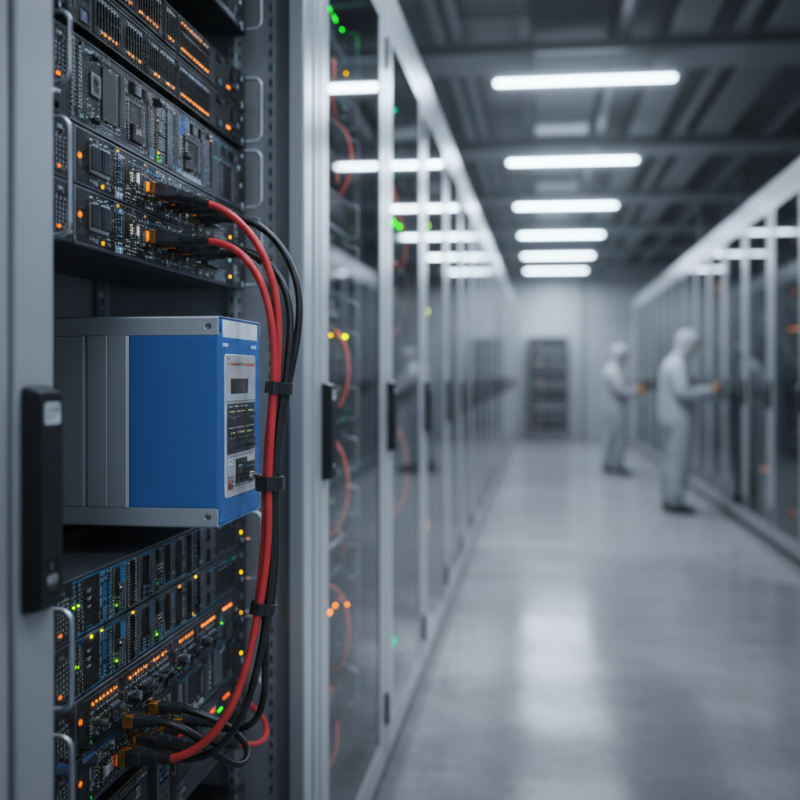
Understanding the Basics of 48V Inverters for Business Applications
Understanding the basics of 48V inverters is essential for any business seeking efficiency and reliability in their operations. These devices convert DC power from batteries into AC power for various applications. According to industry reports, 48V systems can yield up to 20% higher efficiency compared to traditional 12V systems. This can lead to lower operational costs, especially for businesses that rely on continuous power supply.
One key advantage of 48V inverters is their ability to handle higher loads. This makes them suitable for industries such as telecommunications and renewable energy. For instance, a recent study from the Clean Energy Council indicates that businesses using 48V systems can achieve notable improvements in energy density. This translates to longer battery life and reduced maintenance costs, providing a solid return on investment.
Tips: When selecting a 48V inverter, consider the total power requirements. It's crucial to avoid undersizing, as this can lead to poor performance. Also, regularly check for updates in technology and efficiency standards. This landscape evolves quickly, and staying informed is key to making the best choices for your business.
Enhanced Energy Efficiency: How 48V Inverters Reduce Power Consumption
Using a 48V inverter can significantly enhance energy efficiency in businesses. According to the U.S. Department of Energy, utilizing a 48V system can reduce power consumption by up to 30%. This reduction stems from lower voltage drop and improved power management. As a result, businesses can see considerable savings on their electric bills.
One notable impact is the minimized energy losses during operation. Traditional inverters often operate at higher voltages, which can lead to losses. A study by the Electric Power Research Institute reported that transitioning to lower voltage systems improves energy transmission efficiency. Consequently, businesses experience better performance and longer equipment life, as the systems do not overheat and are less prone to failure.
However, businesses must also consider their specific power needs. A 48V inverter may not be suitable for all applications. It's essential to analyze energy demands carefully. Relying on inadequate data may lead to overestimating the benefits. This oversight can negate the efficiency gains you hoped to achieve. Balancing the advantages of a 48V inverter with real operational needs is crucial for optimal results.
Cost Savings: Exploring Financial Benefits of 48V Inverter Usage
Switching to a 48V inverter can significantly impact the financial health of a business. According to a report by the National Renewable Energy Laboratory, a well-implemented inverter system can reduce energy costs by up to 30%. This is particularly crucial for businesses with high energy consumption, such as those in manufacturing or data centers. The initial investment may seem daunting, but the long-term savings make it worthwhile.
The operational efficiency of 48V inverters also leads to fewer maintenance requirements. A study from the International Energy Agency reveals that lower maintenance leads to reduced downtime. Businesses experience a decrease in unexpected failures, translating to more stable productivity and less financial loss. Furthermore, with increased efficiency, businesses can often benefit from energy incentives offered by governments.
Additionally, 48V systems are more adaptable for renewables. A report from BloombergNEF predicts that businesses adopting these systems can expect a quicker return on investment. While the transition may take time and careful planning, the financial benefits are clear. Companies might find themselves investing not just in technology, but in a sustainable future. Adopting 48V systems is not merely a choice; it’s a step toward smarter, greener business operations.
Improved System Reliability: The Role of 48V Inverters in Business Continuity
Reliability is critical in any business setting. A 48V inverter enhances system reliability significantly. It minimizes downtime by providing stable power. This stability supports equipment and operations consistently. When equipment runs smoothly, productivity increases.
Designing a power system with redundancy can be complex. However, a 48V inverter simplifies this task. By ensuring a steady voltage, it allows for seamless integration of backup systems. In case of a power outage, systems remain operational. This capability is essential in industries that cannot afford interruptions.
Considerations must be made for potential challenges. While 48V inverters offer many advantages, they can be costly upfront. Businesses need to weigh initial investments against long-term gains. Proper maintenance is also vital to avoid unexpected failures. Ensuring these systems are routinely checked will increase overall reliability.
Top 10 Benefits of Using a 48V Inverter for Your Business
| Benefit |
Description |
Impact on Business |
| Improved Efficiency |
48V inverters provide higher efficiency compared to lower voltage systems, reducing energy losses. |
Lower operational costs and increased profit margins. |
| Enhanced Reliability |
With fewer components, 48V inverters are less prone to failure and provide consistent performance. |
Ensures uninterrupted business operations. |
| Lower Installation Costs |
Simplified wiring and fewer safety measures required for 48V systems lead to reduced installation expenses. |
Increases overall ROI on systems. |
| Safety Features |
Operating at a lower voltage reduces shock hazards, making it safer for workers. |
Fosters a safer working environment. |
| Flexibility |
48V systems can easily integrate with renewable energy sources and energy storage solutions. |
Supports sustainability initiatives and energy independence. |
| Compact Design |
48V inverters are typically smaller than higher voltage counterparts, saving space. |
Maximizes usable space in the facility. |
| Scalability |
48V systems can be easily scaled up or down according to business needs. |
Supports business growth and changing demands. |
| Better Performance |
They deliver stable power output, crucial for sensitive equipment. |
Prevents equipment malfunctions and increases lifespan. |
| Cost-Effectiveness |
Reduces overall electricity costs through efficient power usage. |
Increases profitability over time. |
| Environmentally Friendly |
Supports the use of green technologies, reducing carbon footprint. |
Enhances corporate social responsibility. |
Scalability and Flexibility: Adapting 48V Inverters to Business Growth Needs
The scalability of a 48V inverter makes it an ideal choice for businesses aiming for growth. As your business expands, power needs often change. A 48V inverter can adapt, providing efficient energy management while supporting increased demand. This flexibility allows businesses to innovate without worrying about electrical limitations.
When considering a 48V inverter, it's essential to assess your current and future energy requirements. Plan for the unexpected. Businesses may grow faster than expected. By using modular inverter systems, you can add more units as needed. This gradual investment helps avoid overwhelming upfront costs.
Tip: Regularly evaluate your energy consumption patterns. This will inform your inverter capacity decisions. It's also wise to consult with experts to ensure that any new configuration meets your projections. Choose solutions that seamlessly integrate with existing systems to maintain reliability. Don't underestimate the importance of planning for future needs.
Conclusion
The article titled "Top 10 Benefits of Using a 48V Inverter for Your Business" outlines the significant advantages of integrating 48V inverters into business operations. It begins by explaining the fundamentals of 48V inverters and their applications in various business contexts. A key benefit highlighted is enhanced energy efficiency, where 48V inverters effectively reduce power consumption, leading to substantial cost savings over time.
Furthermore, the reliability of these inverters contributes to uninterrupted business continuity, ensuring that operations run smoothly even during power fluctuations. Additionally, the scalability and flexibility of 48V inverters are vital for businesses looking to adapt to growth and evolving demands. Overall, adopting a 48V inverter offers comprehensive advantages that can positively impact a business's operational efficiency and financial performance.

 NOVA New Energy